Nepali Trucking Businesses Voice Concerns Over Free Entry of Indian Cargo Trucks
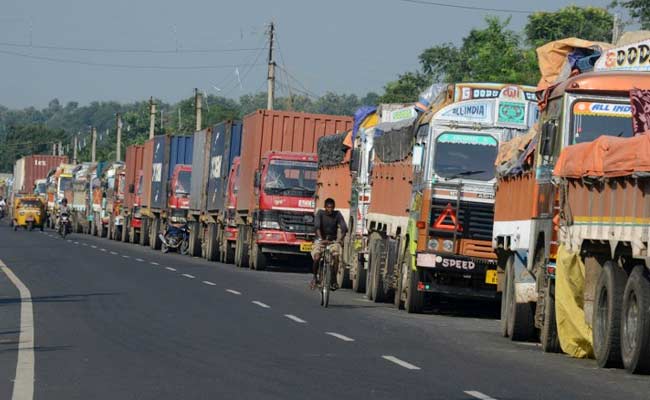
Nepali transportation entrepreneurs have raised concerns about the increasing presence of Indian cargo trucks entering Nepal without apparent restrictions. Local business owners claim that the unrestricted entry of these trucks is creating challenges for Nepali trucking companies, affecting their competitiveness and operational efficiency.
According to reports, Indian cargo trucks are reportedly able to operate across Nepal without facing the same regulatory requirements or logistical constraints that local transport operators encounter. This situation has led many NepaliTruckingBusinesses to call for clearer policies and balanced regulations to ensure fair competition in the transport sector.
Entrepreneurs say that the influx of Indian trucks has resulted in reduced business opportunities for Nepali operators, who often face stricter compliance requirements, licensing procedures, and road taxes. They emphasize that addressing these concerns is essential to maintain a sustainable and competitive local transportation industry.
The government has acknowledged the concerns of local trucking businesses and has stated that it is reviewing cross-border transport policies to balance trade facilitation with support for domestic operators. Officials have indicated that discussions with relevant trade and transport authorities are ongoing to develop solutions that protect local enterprises while allowing international cargo movement.
The situation has drawn attention to broader issues of transport regulation, bilateral trade agreements, and the need for harmonized policies to ensure fair treatment for domestic businesses. IndianCargoTrucksNepal operations have significantly increased the availability of foreign cargo services, but local stakeholders stress that this should not come at the expense of Nepali transportation entrepreneurs.
Local trucking companies in Butwal and surrounding regions are actively engaging with industry associations and government representatives to voice their concerns. They are advocating for policies that support fair competition, transparency, and equal opportunity for all operators.
Experts note that while international trade and cross-border cargo movement are vital for Nepal’s economy, careful policy implementation is crucial to ensure that domestic businesses remain competitive and sustainable. Proper regulation, monitoring, and dialogue between governments and transport associations are essential to achieving this balance.
The concerns of NepaliTruckingBusinesses highlight the ongoing need for strategic planning in Nepal’s transportation sector. As authorities continue to review and adjust policies, industry stakeholders hope for solutions that encourage growth, maintain fair competition, and support the long-term sustainability of domestic trucking operations.
The situation remains under close observation, with local entrepreneurs and government officials expected to continue discussions to address the challenges posed by unrestricted foreign cargo movement. By balancing international trade facilitation with support for local businesses, Nepal can strengthen its transportation industry while promoting fair and sustainable practices.
Share this content:










Post Comment