Driverless Cars Hit Chinese Streets as Beijing and Chongqing Lead the Autonomous Revolution
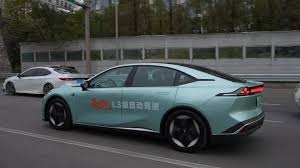
The vision of driverless transportation is becoming an everyday reality in China, as autonomous vehicles have officially begun operating on public roads in major cities including Beijing and Chongqing. This development marks a significant step forward in the country’s smart mobility journey, moving autonomous cars beyond controlled testing zones and into real urban environments.
The transition reflects years of research, policy planning, and technological advancement. Authorities have gradually expanded permissions for autonomous vehicles, allowing them to operate under regulated conditions while prioritizing public safety and traffic efficiency. With this move, residents in select areas are now able to encounter self-driving cars as part of their daily commute.
Beijing and Chongqing have emerged as leading cities in this transformation due to their strong digital infrastructure and support for innovation. Designated routes have been carefully mapped, and advanced monitoring systems are in place to ensure smooth coordination between autonomous vehicles and conventional traffic. Officials say the goal is to study real-world performance while building trust among the public.
The autonomous vehicles operating on these streets are equipped with high precision sensors, cameras, and artificial intelligence systems that allow them to navigate traffic signals, pedestrians, and road conditions. Developers state that the vehicles continuously analyze their surroundings, enabling safe and responsive decision-making without human drivers.
Experts note that the move represents more than a technological milestone. It highlights China’s broader strategy to integrate artificial intelligence into urban planning, transportation, and sustainability efforts. Autonomous vehicles are expected to improve traffic flow, reduce congestion, and enhance mobility options, especially in densely populated cities.
Public response has been a mix of curiosity and cautious optimism. Many residents see driverless cars as a glimpse into the future of transportation, while others appreciate the gradual and regulated rollout that allows authorities to address concerns step by step. Officials have emphasized that human oversight and strict operational guidelines remain in place as the technology continues to evolve.
The expansion of autonomous vehicles into public roads also opens new opportunities for innovation in logistics, ride services, and smart city development. Industry observers believe that lessons learned from Beijing and Chongqing will shape future deployments across other regions.
As driverless cars become more visible on Chinese streets, the boundary between science fiction and daily life continues to fade. While the transition is still in its early stages, the presence of autonomous vehicles on public roads signals a clear direction toward a more intelligent and connected transportation system.
With careful planning and continued evaluation, China’s experience may offer valuable insights into how autonomous technology can be responsibly integrated into modern cities, shaping the future of mobility not just nationally, but globally.
Share this content:









Post Comment