WHO Aims to Vaccinate 40,000 Children in Gaza Strip: A Critical Mission Amid Humanitarian Crisis
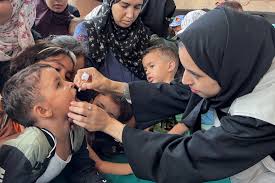
The World Health Organization (WHO) has launched an urgent campaign to vaccinate 40,000 children in the Gaza Strip, responding to rapidly growing health risks in the region. With thousands of families displaced, overcrowded shelters, limited clean water, and damaged health facilities, the threat of preventable diseases has never been higher. This vaccination drive is a crucial step to protect children from life-threatening illnesses and prevent potential outbreaks.
Why the Vaccination Campaign Is Urgent
After months of conflict, Gaza’s healthcare system is on the brink of collapse. Many medical centers have been destroyed, and those still functioning are overwhelmed. As a result, routine childhood immunizations have been severely disrupted.
Key risks include:
- Measles outbreaks
- Polio transmission
- Hepatitis A and other infectious diseases
- Malnutrition-related complications
The WHO warns that without immediate action, thousands of vulnerable children could face serious health consequences.
How WHO Is Conducting the Vaccination Drive
Despite limited access and security challenges, WHO teams are coordinating with local health workers to reach as many children as possible.
Key strategies include:
- Mobile health clinics to reach displaced families
- Emergency vaccination points in shelters and community centers
- Cold-chain management to safely store and transport vaccines
- Collaboration with humanitarian agencies to ensure smooth distribution
WHO aims to vaccinate children under five, the age group most at risk of rapid disease spread.
Challenges on the Ground
Delivering vaccines in Gaza is extremely difficult due to:
- Restricted entry of medical supplies
- Damaged roads and transportation barriers
- Shortage of healthcare professionals
- Frequent power outages affecting vaccine refrigeration
- Safety risks for humanitarian workers
Despite these obstacles, WHO emphasizes that delaying vaccination could lead to mass outbreaks in already congested areas.
Impact on Child Health and Future Recovery
Vaccinating 40,000 children is not just a short-term response it supports long-term community recovery. Immunized children are more likely to survive, grow, and thrive even amid crisis.
Benefits of the campaign:
- Prevents deadly diseases
- Strengthens community health resilience
- Reduces burden on overwhelmed hospitals
- Protects newborns and infants with weaker immunity
WHO believes that safeguarding children’s health is the first step toward restoring stability in Gaza’s healthcare system.
Global Call for Support
WHO has urged the international community to assist in:
- Funding vaccine procurement
- Supporting humanitarian access
- Rebuilding destroyed health infrastructure
As the crisis continues, global solidarity is essential to ensure children in Gaza receive basic health care and protection.
Conclusion
The WHO’s mission to vaccinate 40,000 children in the Gaza Strip is a vital effort to prevent a public health disaster. In a region where conflict has weakened every aspect of life, protecting children from preventable diseases is an urgent necessity. Ensuring successful vaccination coverage will save lives today and help rebuild a healthier future for the next generation in Gaza.
Share this content:








Post Comment