Tragedy on Ama Dablam: Two Climbers Lose Lives on Iconic Himalayan Peak
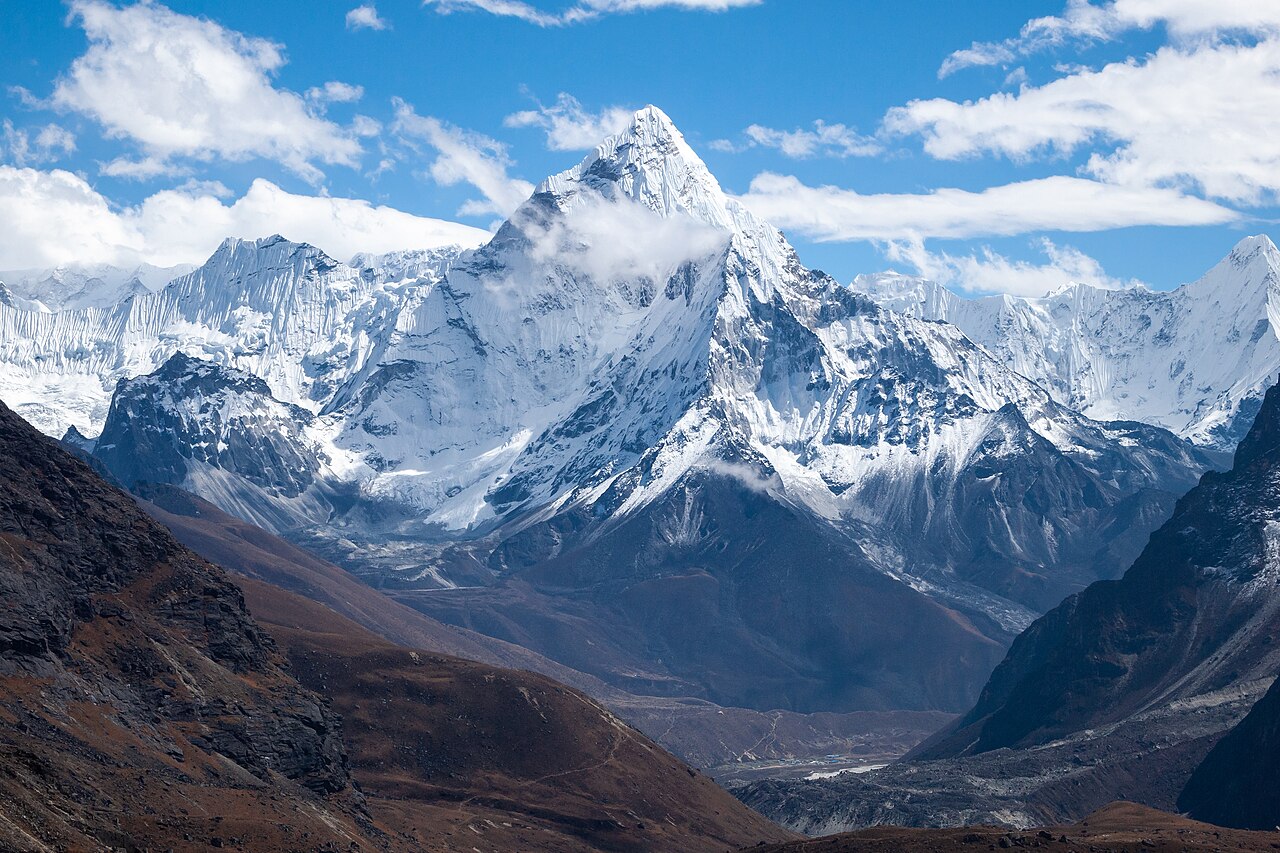
A somber reminder of the risks of high-altitude mountaineering: two experienced foreign climbers died in separate incidents on Nepal’s Ama Dablam during the current autumn climbing season.
What happened
- The first climber, Hugo Lucio Colonia Lazaro (65) from France, was struck by a falling piece of ice while descending Ama Dablam. He was evacuated by helicopter to Kathmandu and admitted to hospital, where he subsequently passed away. The Kathmandu Post+2scmp.com+2
- The second, Hong Khy Park (66) from South Korea, collapsed between Camp 1 and Camp 2 of the peak while climbing and died. The exact cause has not been publicly detailed. The Himalayan Times+2The Straits Times+2
- Both incidents occurred on the 6,814-metre (22,349-foot) Ama Dablam in the Solukhumbu region of Nepal. Arab News PK+1
- The Nepalese authorities are coordinating with relevant agencies for repatriation of their bodies. Arab News PK+1
Why this matters
- Ama Dablam is often described as the “Matterhorn of the Himalayas” because of its dramatic ridges and steep technical terrain making it a challenging climb even for experienced mountaineers. scmp.com+1
- The incidents highlight the multiple hazards of high-altitude climbing: falling ice/seracs, sudden health deterioration, the extreme environment, and the complex rescue logistics.
- These tragedies arrive in a season where many climbers are active in Nepal’s mountains and add to ongoing concerns about safety, acclimatisation and risk management in Himalayan expeditions.
Reflections and Takeaways
- Preparation and experience matter: Even for seasoned climbers, steep alpine terrain and shifting conditions demand strong technical skill and awareness.
- Descending is as risky as the ascent: As the French climber’s death shows, major incidents can happen during descent when fatigue, changing conditions or hazards like ice breakup come into play.
- Rescue & logistics: The fact that a helicopter evacuation was required indicates the remoteness and severity of the situation. Climbing in Nepal increasingly relies on timely rescue infrastructure, which itself has limits.
- Human side: Behind each statistic is a person, a life, family, team. Local agencies, trekking companies and climbers alike face emotional, financial and operational impacts when such tragedies occur.
What to Watch Going Forward
- Whether climbing agencies review and upgrade safety protocols (e.g., ice/serac hazard assessment, medical screening, descent contingencies) on technical peaks like Ama Dablam.
- How expedition operators balance demand (many climbers seek iconic peaks) with the environmental and human risk factors.
- The response of Nepal’s tourism and mountaineering sector to these incidents e.g., updates to permit conditions, rescue readiness, and climber orientation.
- Any follow-up investigations that clarify the precise causes of the collapses or accidents, which could help improve safety for future expeditions.
Share this content:






Post Comment