Tourism Boom Revives Nepal’s Hotel Industry
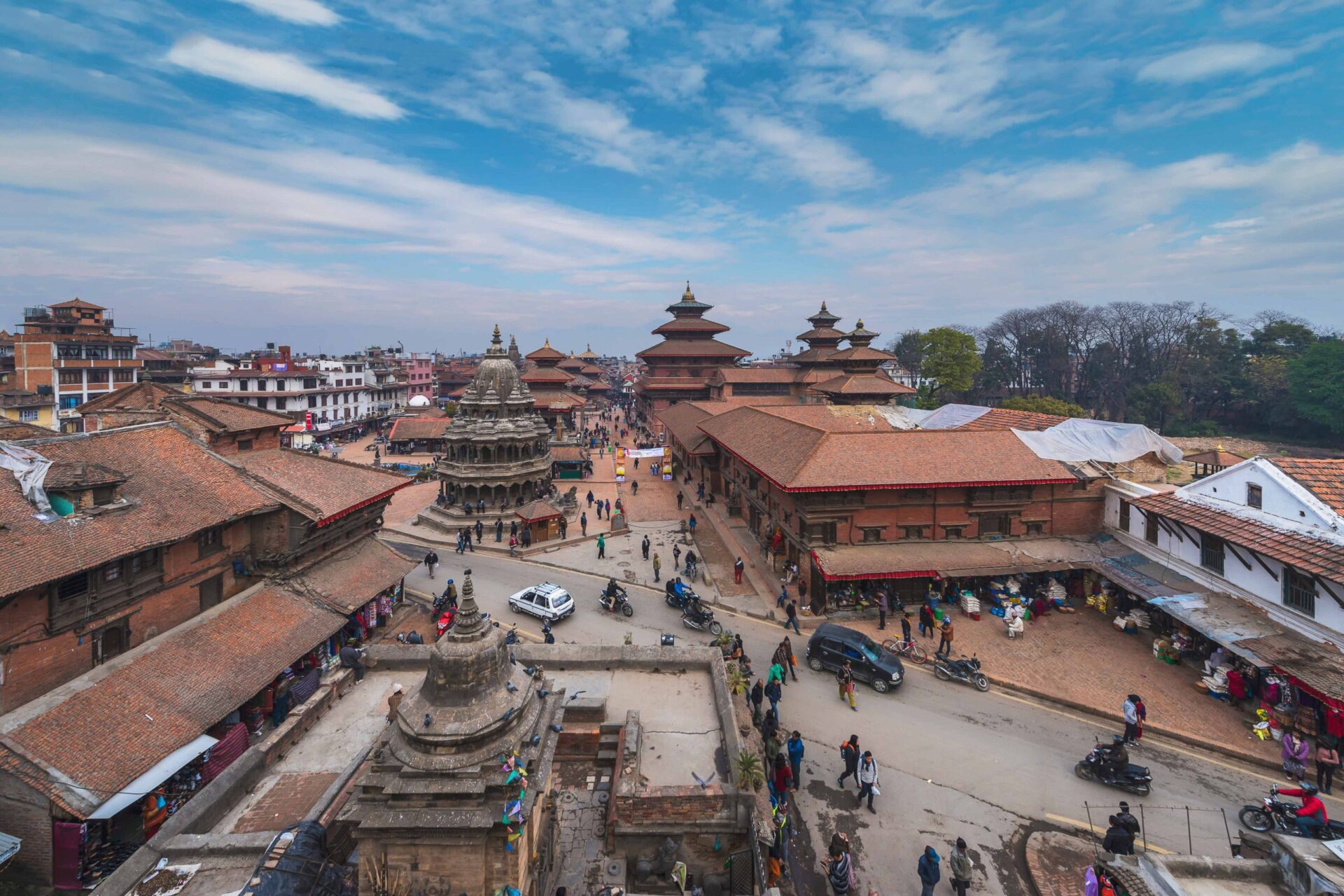
KATHMANDU, Nov 12 — Nepal’s hospitality industry is showing strong recovery as both domestic and foreign tourist arrivals continue to rise. According to the Economic Activity Study 2024/25 published by the Nepal Rastra Bank (NRB), hotels in Bagmati Province — the country’s leading hub for hospitality investment — recorded an average occupancy rate of 57 percent, up from 51.9 percent a year earlier.
The study highlights that growing numbers of local and international travelers have driven up demand in the hotel, restaurant, and trekking sectors.
Seasonal Trends in Hotel Occupancy
Data shows that hotel occupancy peaked between mid-October and mid-November 2024, reaching 67.8 percent, reflecting Nepal’s main tourist season. The lowest occupancy was recorded from mid-January to mid-February 2025 at 44.7 percent. Other notable figures include:
- 59.7% (mid-August to mid-September 2024)
- 63.7% (mid-November to mid-December 2024)
- 60.5% (mid-February to mid-March 2025)
- 63.6% (mid-March to mid-April 2025)
These numbers suggest consistent tourism momentum across multiple seasons.
Hotels Beyond Kathmandu Benefit
According to Hotel Association Nepal (HAN) President Binayak Shah, the October–November season remains particularly strong, though occupancy varies by region. “During the peak trekking period, most tourists head to destinations like Pokhara, Manang, Mustang, Chitwan, and Lukla, leaving hotels outside Kathmandu fully booked,” Shah told Onlinekhabar.
He noted that in Mustang, some hotels even stopped taking new reservations due to full occupancy. “When both domestic and foreign tourists travel simultaneously, it’s natural for room demand to surge,” he added.
Market Shift from Luxury Hotel Closures
The temporary suspension of operations by two five-star hotels — Hilton and Hyatt — following the Gen Z movement has reshaped the luxury hospitality market. Shah said that while some large hotels closed, others, such as newly opened luxury establishments, have benefited from redistributed business. With Shangri-La and Annapurna Hotel also closed, competition has eased, resulting in higher occupancy rates for remaining premium hotels.
Outside the capital, Chitwan and Pokhara hotels have seen strong demand during holidays, supported by steady flows of domestic and Indian tourists. Hotels in Terai regions have similarly reported increased arrivals of Indian visitors.
Tourism Recovery and Economic Impact
The NRB report indicates that the service sector is set for continued improvement in fiscal year 2025/26, with tourism leading the recovery. Although foreign arrivals briefly dipped during the Gen Z movement (mid-August to mid-September 2024), the trend quickly reversed, contributing to higher tourism revenue and employment.
Ongoing infrastructure reconstruction and upcoming elections are also expected to boost related sectors, including transportation, hotels, and restaurants.
Tourist Arrivals Hit New Highs
October 2025 — Nepal’s prime trekking and mountaineering season — saw 128,443 tourist arrivals, a 3.3 percent increase from the same month last year.
Top source countries included:
- India: 17,298 visitors
- United States: 13,286
- United Kingdom: 8,718
- China: 6,755
- Germany: 6,366
Overall, Europeans accounted for 31.6% (40,600 tourists), while South Asian visitors, including Indians, made up 22.6% (29,060).
During the same season, 1,450 climbers from 175 expedition teams obtained climbing permits, generating NPR 25.51 crore (USD 1.9 million) in royalties for the government.
Steady Growth Through 2025
According to the Nepal Tourism Board (NTB), a total of 943,716 tourists visited Nepal between January and October 2025, slightly higher than the previous year. India remained the top source market with 243,350 visitors, followed by the United States (93,985) and China (78,929).
Visitors came from a diverse range of regions:
- South Asia: 35.8%
- Other Asian countries: 20.9%
- Europe: 19.1%
- Americas: 12%
- Oceania: 4.4%
- Africa: 0.4%
- Other regions: 5.5%
Outlook: Sustained Growth Ahead
With rising occupancy rates, expanding domestic tourism, and increasing global arrivals, Nepal’s hotel industry is positioned for sustained growth. Industry leaders believe that continued investment in infrastructure, marketing, and sustainable tourism will further strengthen Nepal’s position as one of South Asia’s most attractive travel destinations.
Share this content:








Post Comment