Rabies Infection Challenge Increasing in Sudurpaschim
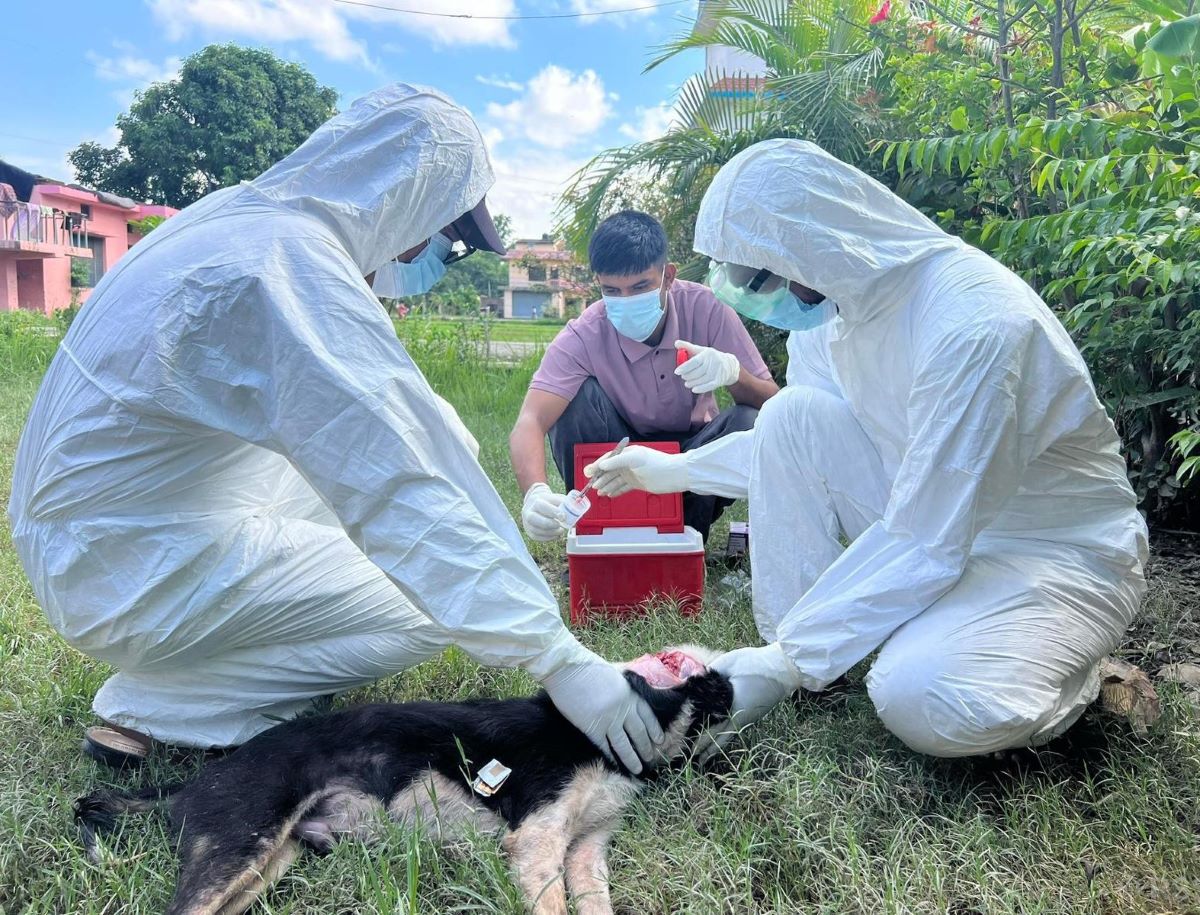
Rabies has emerged as a growing public health challenge in Nepal’s Sudurpaschim Province, with authorities and health workers raising alarms over increasing infection risks. The rise is largely linked to unmanaged stray dog populations, low vaccination coverage in animals, and limited public awareness, especially in rural and remote communities. Rabies remains a fatal disease once symptoms appear, making prevention the only effective defense.
Health officials report that dog bites continue to be the primary source of rabies exposure, while timely access to anti-rabies vaccines and immunoglobulin remains difficult in several districts. Geographic barriers, lack of cold-chain facilities, and delayed health-seeking behavior further worsen the situation. Many victims still rely on traditional remedies instead of immediately seeking medical care, increasing the risk of fatal outcomes.
Experts stress the importance of coordinated efforts involving mass dog vaccination, community education, and improved availability of post-exposure treatment. Strengthening local health systems and promoting responsible pet ownership are also seen as critical steps to control rabies and reduce preventable deaths in Sudurpaschim.
Share this content:









Post Comment