Police Launch Forensic Investigation into Arson Linked to Gen Z Protests
KATHMANDU, October 26
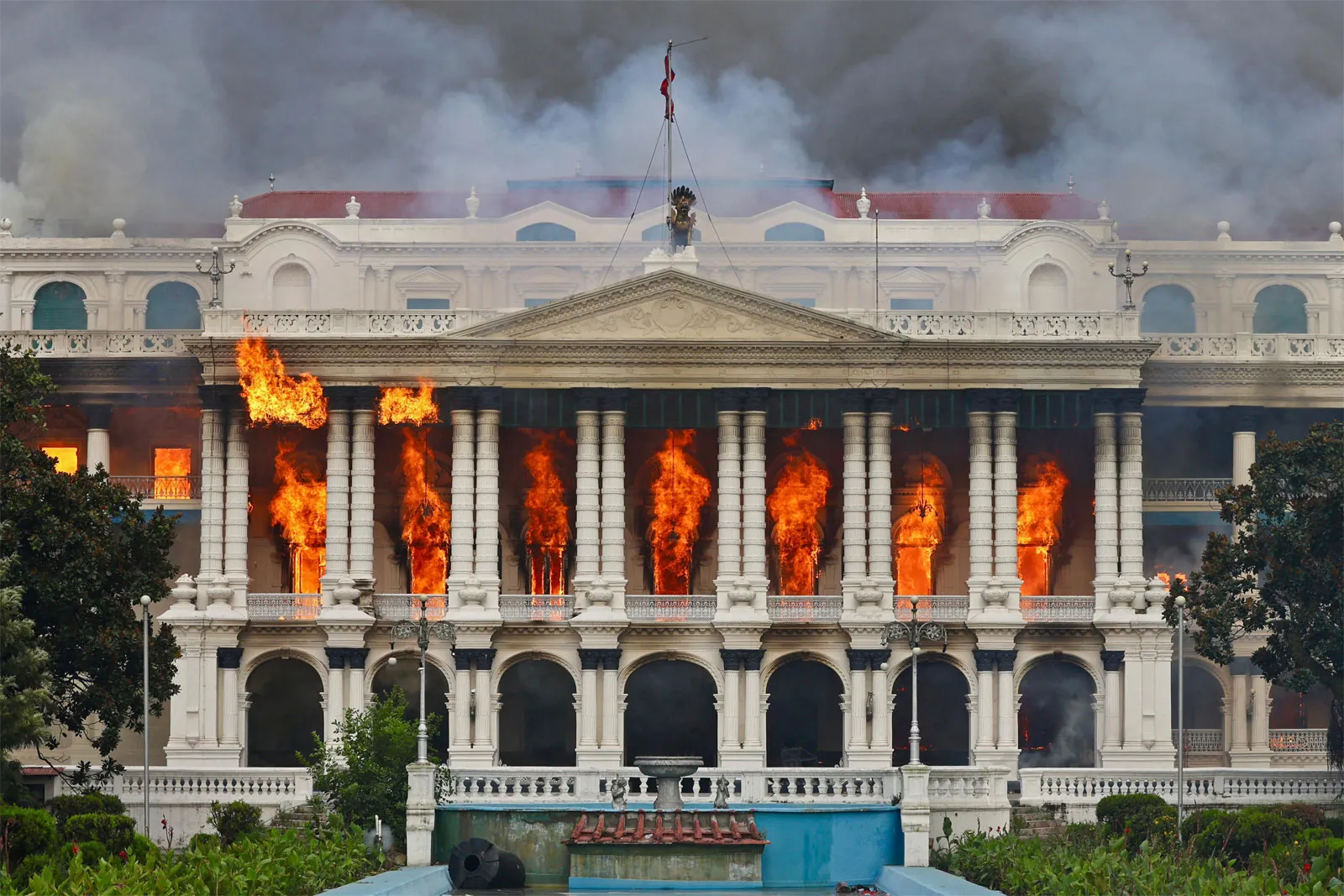
More than six weeks after the Gen Z protests, police have begun forensic examinations of buildings damaged in coordinated arson, amid suspicions that chemical substances may have been used during the attacks.
Key sites under investigation include Singhdarbar, the Supreme Court, the Parliament Building, the President’s Office, and private establishments such as Kantipur Media Group and Bhat Bhateni Supermarket. A special inquiry committee, led by Superintendent of Police Kaji Kumar Acharya of the Kathmandu Valley Crime Investigation Office, was established following concerns over the fires that erupted on September 9.
On Saturday, forensic officers collected ash samples from Kantipur’s Thapathali office, gathering five samples from different areas within the building. Recent international reports, including from the New York Times, have suggested possible use of chemicals in the arson.
Investigations by the Post revealed discussions on making Molotov cocktails, importing arms, and targeting specific buildings on Discord servers used by activists, including Youth Against Corruption and Yuwa Hub. Between 9:35 PM on September 7 and midnight on September 9, approximately 114,000 messages were exchanged, with 356 mentions of Molotov cocktails and discussions involving chemicals like sodium and petrol bombs.
Bigyan Raj Sharma, a member of the inquiry commission examining the loss of lives and property during the September 8–9 protests, stated that police were requested to test ashes from six designated locations to preserve potential chemical evidence. “Testing had to be done before chemical traces could be lost,” Sharma said. Police officials noted that the commission’s request arrived after the internal inquiry committee had already been formed.
The police probe committee, led by SP Acharya, includes SP Shalikram Sharma of the Kathmandu Valley Police Office, DSP Chandra Thapa of the Kathmandu District Police Range, and technical officers from the Nepal Police Forensic Science Laboratory. A committee member emphasized the urgency: “Arson is a crime, and if chemicals were involved, investigating it is critical because of long-term risks. We aim to complete testing and submit reports promptly to address public concerns.”
Forensic experts have raised concerns that delays in evidence collection may hinder the investigation. Jeevan Rijal, former head of the National Forensic Science Laboratory, warned that delayed collection reduces the chance of securing accurate evidence and stressed that sites should have been sealed immediately after the fires.
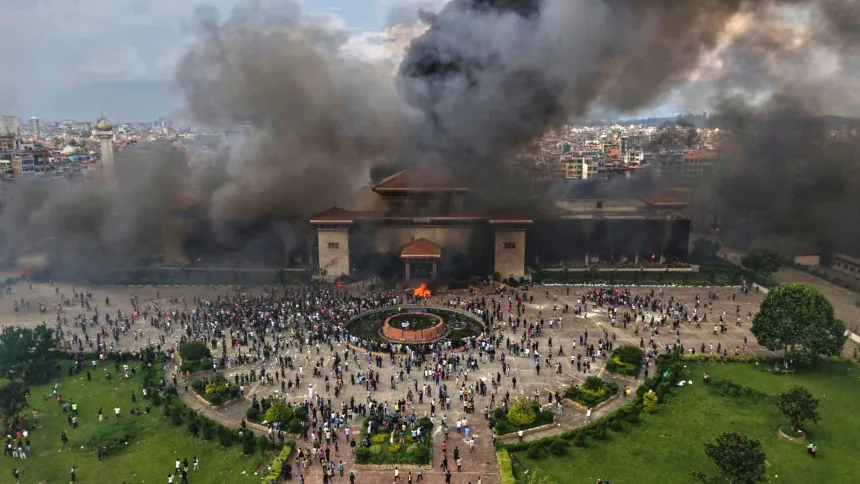
Officials also noted that immediate cleanup after the protests, while praised at the time, may have destroyed key evidence. “The later the sampling, the harder the investigation becomes. Nevertheless, given the scale of the arson, diligent effort may still yield results,” an official said.
The Gen Z movement, which began on September 8 protesting social media restrictions and corruption, escalated the following day when protesters engaged in vandalism and arson, targeting government offices, private companies, commercial establishments, and political party offices. While Gen Z representatives maintain that vandalism and arson were not their goals, authorities, including Prime Minister Sushila Karki, have expressed concerns over possible infiltrations that may have fueled the destruction.
Share this content:






Post Comment