Over 4.7 Million People Visit Narayanhiti Museum in 17 Years
Introduction
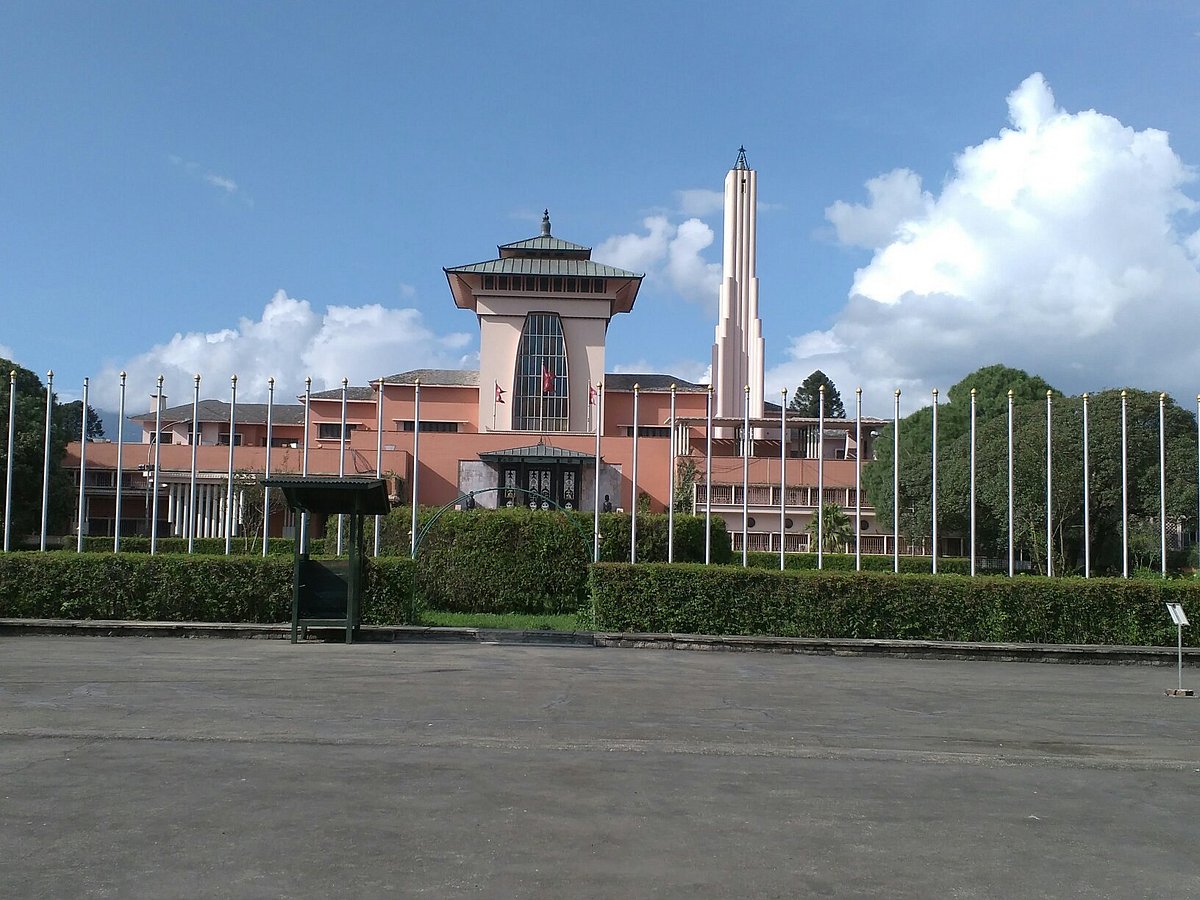
Narayanhiti Palace Museum in Kathmandu has emerged as one of Nepal’s most visited cultural landmarks, attracting over 4.7 million visitors in the past 17 years. Formerly the royal palace of the Shah kings, the museum now serves as a window into Nepal’s rich history, royal heritage, and architectural grandeur. Its popularity reflects both domestic and international interest in Nepal’s monarchy and historical culture.
Historical Significance
The Narayanhiti Palace, constructed in the 20th century, was home to Nepal’s royal family until the monarchy was abolished in 2008. Following the palace’s conversion into a museum, it now houses a wide range of artifacts, including royal clothing, jewelry, furniture, and historical documents. Visitors get an opportunity to explore the lives of the Shah kings and queens while learning about Nepal’s political history.
Visitor Experience
Over the years, the museum has attracted a steady flow of visitors, including students, historians, tourists, and locals interested in Nepal’s past. The palace’s architecture, sprawling gardens, grand halls, and ceremonial rooms provide a unique experience that combines education, history, and tourism. Guided tours help visitors understand the significance of different exhibits, making the museum a rich source of knowledge and inspiration.
Tourism Impact
The Narayanhiti Museum has become a cornerstone of cultural tourism in Kathmandu. Its popularity contributes significantly to the local economy, drawing visitors who also explore nearby markets, restaurants, and other heritage sites. The museum’s steady footfall demonstrates the growing interest in Nepal’s historical landmarks and the value of preserving cultural heritage for future generations.
Conclusion
In 17 years, over 4.7 million people have visited Narayanhiti Museum, underlining its importance as a cultural and historical hub. By combining royal history, architectural splendor, and educational value, the museum continues to be a must-visit destination in Nepal, connecting people with the nation’s past while promoting tourism and cultural preservation.
Share this content:







Post Comment