NEPSE Declines 47.71 Points for Second Consecutive Day Amid New Government Formation
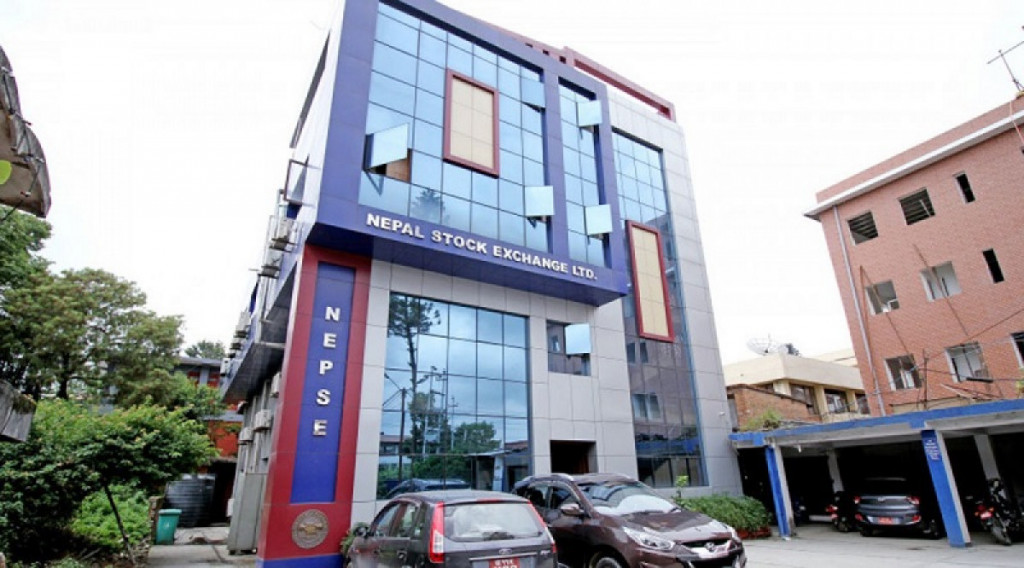
The Nepal Stock Exchange (NEPSE) experienced a decline for the second consecutive day, shedding 47.71 points on Monday. Trading turnover also fell, totaling Rs 12.96 billion as investors reacted cautiously following the formation of the new government. The decline in NEPSEDeclines signals a period of adjustment for market participants navigating potential policy changes and economic outlooks.
Analysts note that while the stock market is sensitive to political developments, the overall fundamentals of many listed companies remain stable. Investors are reportedly monitoring government policies closely, particularly those related to economic reforms, public investment, and trade regulations. This period of caution has contributed to lower trading volumes and fluctuations in share prices.
The fall in the NepalStockMarketUpdate also reflects broader investor sentiment, with market participants opting for a more measured approach to buying and selling shares. Financial experts suggest that temporary declines in NEPSE indexes are common after political transitions, as stakeholders evaluate the potential impact of new policies on the business environment.
Trading activity on Monday was concentrated in large-cap companies, with selective movements in other sectors. Despite the overall decline, some shares showed stability, suggesting that investors continue to have confidence in the long-term performance of key enterprises. Authorities and financial institutions have emphasized that the market remains resilient and that fluctuations are a normal aspect of stock trading.
Economists point out that monitoring trends in NEPSEDeclines and turnover patterns can provide valuable insights into market behavior, investor confidence, and sectoral performance. Careful analysis of these trends helps both retail and institutional investors make informed decisions while navigating periods of political or economic uncertainty.
The NEPSE index remains a central indicator of Nepal’s economic and financial health. As the market adjusts to new developments, investors are encouraged to stay informed about government announcements, economic policies, and corporate performance reports. The current decline in the stock market, while notable, is viewed by experts as a short-term response rather than a long-term trend.
Moving forward, stakeholders in the financial sector will continue to monitor trading activities, share price movements, and policy updates. Maintaining transparency, regulatory oversight, and informed investment practices are key to sustaining confidence in the NepalStockMarketUpdate. Market analysts expect gradual recovery as investors gain clarity on policy directions and economic prospects under the newly formed government.
The recent drop in NEPSE demonstrates the market’s responsiveness to political events while highlighting the importance of strategic investment planning. By remaining attentive to market developments and trends, both individual and institutional investors can navigate fluctuations effectively while contributing to the stability and growth of Nepal’s financial markets.
Share this content:









Post Comment