Nepal’s Paddy Production Expected to Decline by 4.2% in 2026
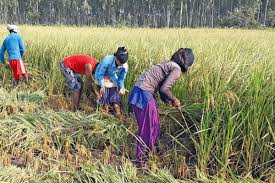
Nepal is projected to see a 4.2 percent decline in paddy production this year, according to agricultural experts. The decrease is attributed to unpredictable weather patterns, including delayed rainfall in key farming regions and occasional flooding in low-lying areas. Farmers across the Terai and hill districts are expected to face challenges in harvesting and maintaining crop quality.
The decline in paddy output may impact food supply and market prices, affecting both consumers and local businesses. Government authorities and agricultural organizations are advising farmers to adopt modern irrigation techniques, use high-yield varieties, and take preventive measures against pests and diseases to minimize losses.
Despite the projected decrease, efforts are being made to stabilize production and ensure food security. Policy experts emphasize the importance of sustainable farming practices, investment in agricultural technology, and support for smallholder farmers to cope with climate-related risks. Continued monitoring and timely intervention are considered essential to prevent further decline in staple crop production and maintain the overall stability of Nepal’s agriculture sector.Tags:
Nepal agriculture, paddy production Nepal, rice farming, crop forecast Nepal, food security Nepal, Terai agriculture, hill farming Nepal
Share this content:










Post Comment