Nepal’s Only Railway Faces Financial and Management Challenges
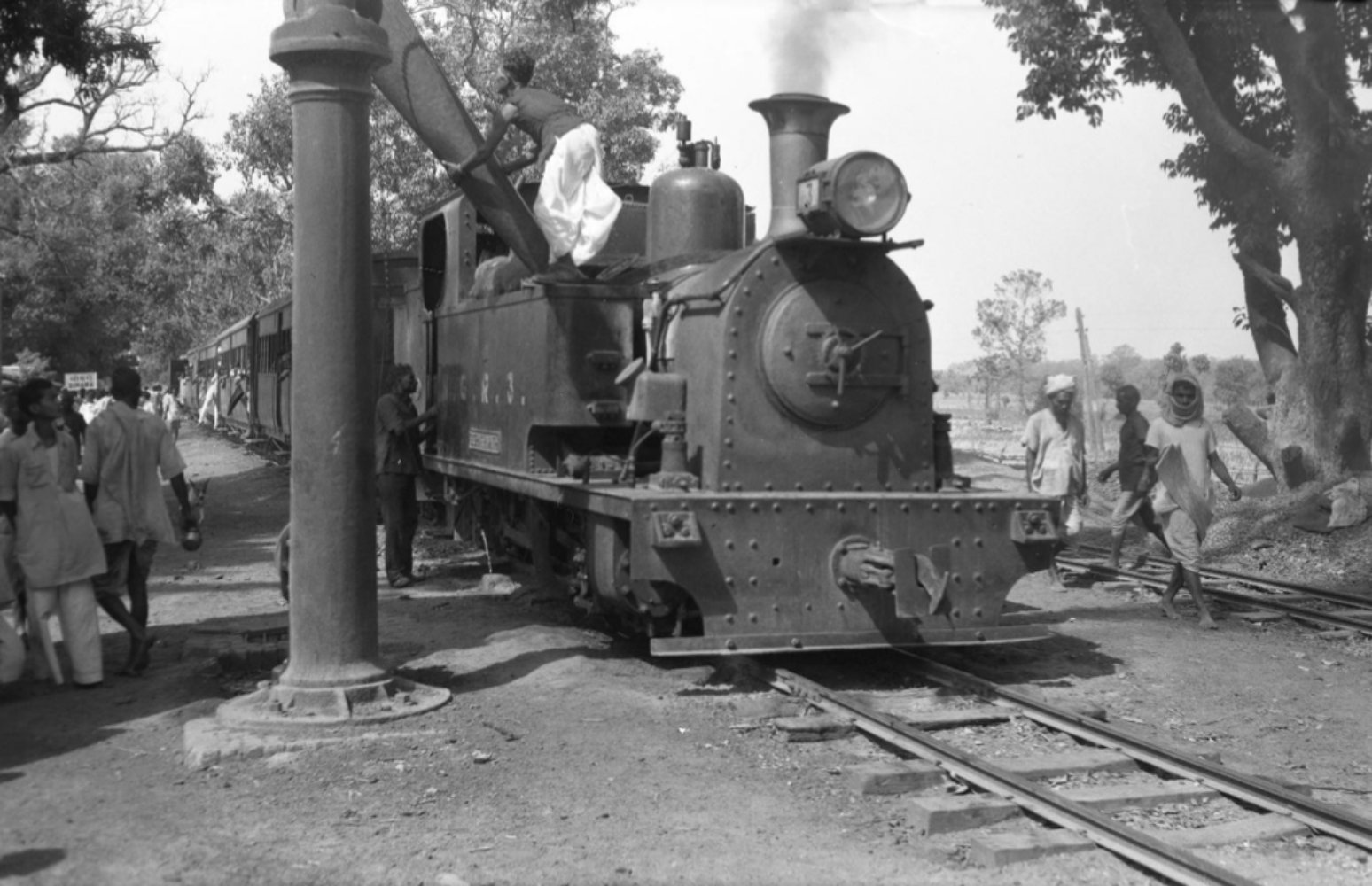
Nepal’s only passenger railway service is currently facing serious operational pressure due to rising financial losses, management instability, shortage of skilled manpower, and administrative delays. The Janakpur Jaynagar Bijalpura railway line, which serves as Nepal’s only active passenger rail route, has been operating for several years but continues to face structural challenges that are affecting its long-term sustainability.
One of the major concerns is the leadership vacuum within the railway company. Key administrative posts, including top management roles, have reportedly remained vacant for months, slowing routine decisions, budget approvals, and operational planning. Employees have pointed out that even basic administrative tasks are delayed because many files require approval from Kathmandu, creating additional inefficiencies.
Financially, the railway service has struggled to balance income and expenditure. Operational costs, including salaries, technical staff, and maintenance, have remained significantly higher than ticket revenue. Reports suggest that payroll and foreign technical support costs continue to put pressure on the company’s finances, while long-term business plans for revenue growth and local capacity development have not progressed as expected.
Another key issue is the shortage of trained local manpower. While the railway initially planned to develop skilled Nepali professionals through technical partnerships, the slow recruitment of permanent staff has limited progress in knowledge transfer. As a result, the service still depends heavily on external technical personnel for operations and training support.
Despite these hurdles, the railway remains an important transport link for communities in Madhesh and cross-border travelers. Experts believe that stronger management, faster administrative decisions, human resource development, and efficient financial planning could help the railway move toward long-term sustainability. If these structural issues are addressed, Nepal’s railway service has the potential to become a stronger contributor to regional connectivity and economic activity
Share this content:






Post Comment