Nepali Migrant Workers Stranded at Airport Amid Regional Tensions
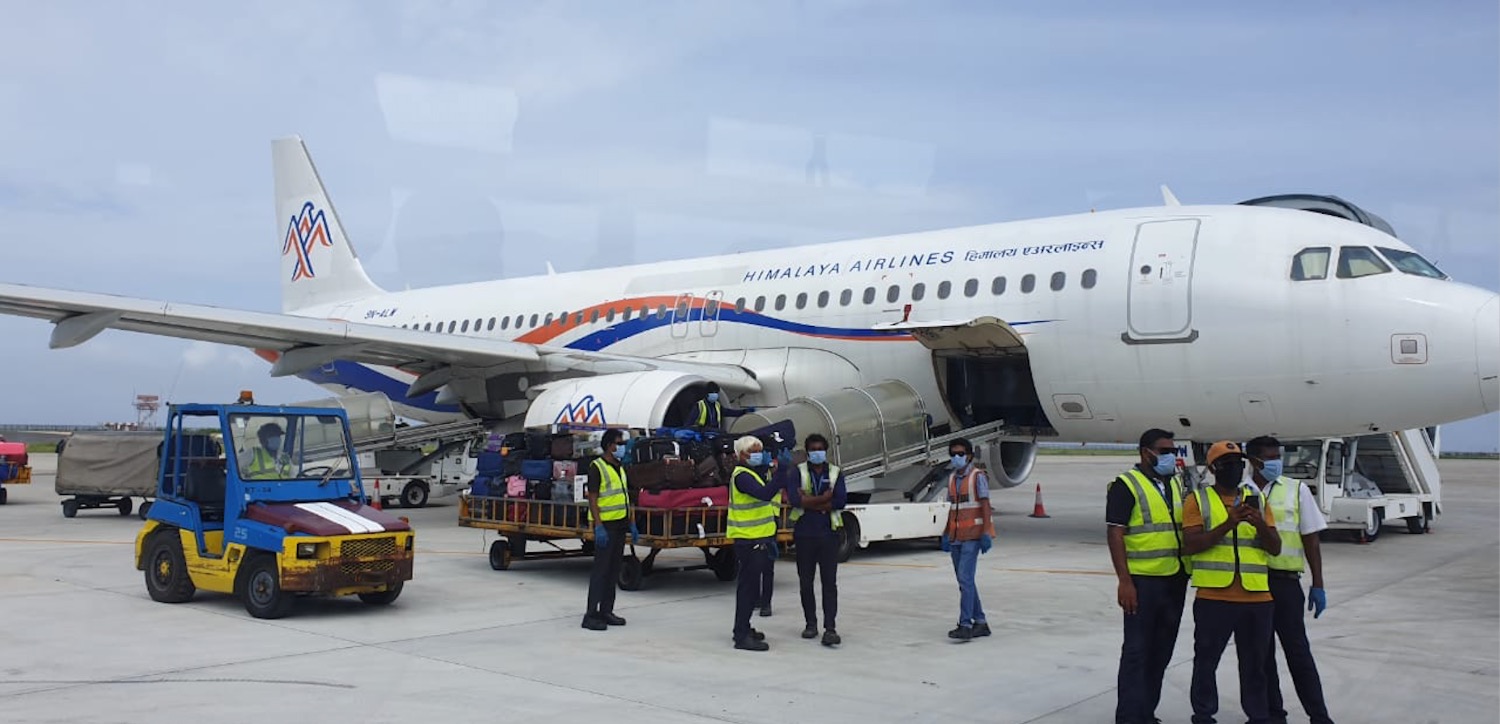
A number of Nepali migrant workers and other passengers remain temporarily stranded at the Nepal Airport as flights to several destinations in the Middle East were cancelled due to regional tensions triggered by military activity between Israel and Iran. The disruptions occurred when multiple Gulf countries closed or restricted their airspace amid elevated international security concerns.
Officials from aviation authorities in Nepal confirmed that several scheduled flights from Tribhuvan International Airport were cancelled as a precautionary measure after airspace closures by countries including Qatar, the United Arab Emirates, Kuwait, and Saudi Arabia. This resulted in passengers including migrant workers bound for foreign employment and others returning home waiting at airport terminals for updated travel arrangements.
The Nepal Airport Travel Disruption has affected travellers heading to major Gulf destinations such as Doha, Dubai, Abu Dhabi, and Kuwait City. Representatives from airlines operating these routes said they are coordinating with airport authorities and host countries to rebook flights and manage passenger needs while advisories remain in place.
In response to the evolving situation in the Middle East, the Government of Nepal has issued safety advisories for Nepali nationals living and working abroad. The Ministry of Foreign Affairs has urged citizens in countries experiencing heightened tensions to follow security directives from local authorities, remain indoors when necessary, and maintain regular communication with Nepali diplomatic missions.
Officials emphasised that the current travel disruptions are temporary and related to ongoing regional developments affecting flight operations and airspace availability. Passengers at the airport have been advised to check the status of their flights with respective airlines and airline counters for the latest information.
The NepaliMigrantWorkersStrandedAirport situation highlights how international flight schedules can be impacted by broader geopolitical events. Migrant workers, many of whom travel to Gulf countries for employment opportunities, have been adjusting their travel plans as airlines and aviation authorities respond to changing airspace conditions.
Officials continue to monitor the regional context closely and are coordinating with international partners to facilitate safe and orderly travel for all affected passengers. As airspace restrictions ease and routes are reopened, normal flight services are expected to resume, allowing travellers to continue their journeys.
Share this content:







Post Comment