National Assembly Election Schedule Made Public: Key Details & What It Means
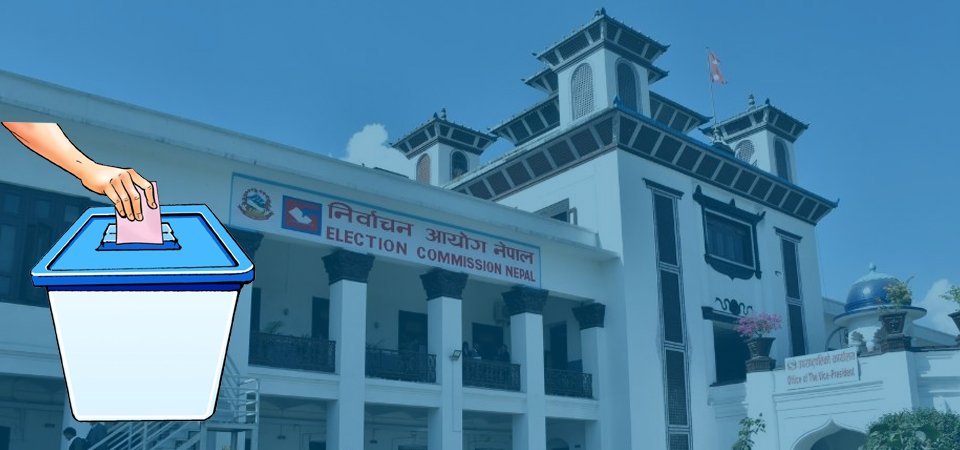
Nepal’s Election Commission (EC) has officially released the schedule for the National Assembly (Rastriya Sabha) election, marking an important step in the country’s political roadmap. Here’s a detailed breakdown of what’s coming, why it’s significant, and how this election may shape Nepal’s future.
Key Dates & Timeline
- The EC has set the National Assembly election for January 24, 2026, with polling stations open from 9:00 am to 3:00 pm. Radio Nepal Online+1
- Voter list publication and scrutiny:
- Candidate nomination:
- Final list of candidates: January 11, 1:00 pm–2:00 pm
- Election symbols distribution: January 12, 10:00 am–1:00 pm
Why This National Assembly Election Matters
- Replacing Retiring Members
- Elections will be held for 18 National Assembly seats, as their six-year terms expire on March 4, 2026. HimalPress
- One additional member will be nominated by the President to fill a non-elected seat. The Kathmandu Post+1
- Elections will be held for 18 National Assembly seats, as their six-year terms expire on March 4, 2026. HimalPress
- Electoral College System
- The National Assembly is elected through an electoral college, comprising:
- Provincial Assembly members, and
- Chairpersons/deputy chairpersons of local governments (municipalities and rural municipalities). Khabarhub+1
- Provincial Assembly members, and
- Different weights are given to votes: provincial assembly members’ votes carry more weight compared to local government heads. The Kathmandu Post
- The National Assembly is elected through an electoral college, comprising:
- Legal & Constitutional Compliance
- The election timeline respects legal stipulations: the EC must conduct elections at least 35 days before the expiry of current members’ terms. Khabarhub+1
- This ensures continuity in the upper house without a constitutional vacuum.
- The election timeline respects legal stipulations: the EC must conduct elections at least 35 days before the expiry of current members’ terms. Khabarhub+1
Political Implications
- Shifting Power Dynamics: With 18 seats up for grabs, there’s potential for significant change in the composition of the National Assembly. Some major parties will be defending or vying for these seats. The Kathmandu Post
- Critical Role in Governance: The National Assembly (upper house) plays a key role in federal legislation, checks and balances, and oversight. The upcoming election could influence legislative agendas and power balance.
- Mobilizing Stakeholders: Political parties, local governments, and provincial assemblies will actively campaign, negotiate, and prepare for this election.
- Voter Engagement: Although direct voting isn’t open to every citizen (because of the electoral college system), decisions made by provincial and local representatives will be under more scrutiny.
What to Watch Next
- How political parties strategize to win these 18 seats.
- Whether the electoral college members align or shift support compared to the last cycle.
- Potential policy impacts based on the new Assembly’s composition.
- The EC’s execution whether it runs a transparent and smooth election process, especially with nomination, objections, and symbol distribution phases.
Share this content:






Post Comment