NASA Relies on Human Vision for Artemis‑2 Lunar Mission
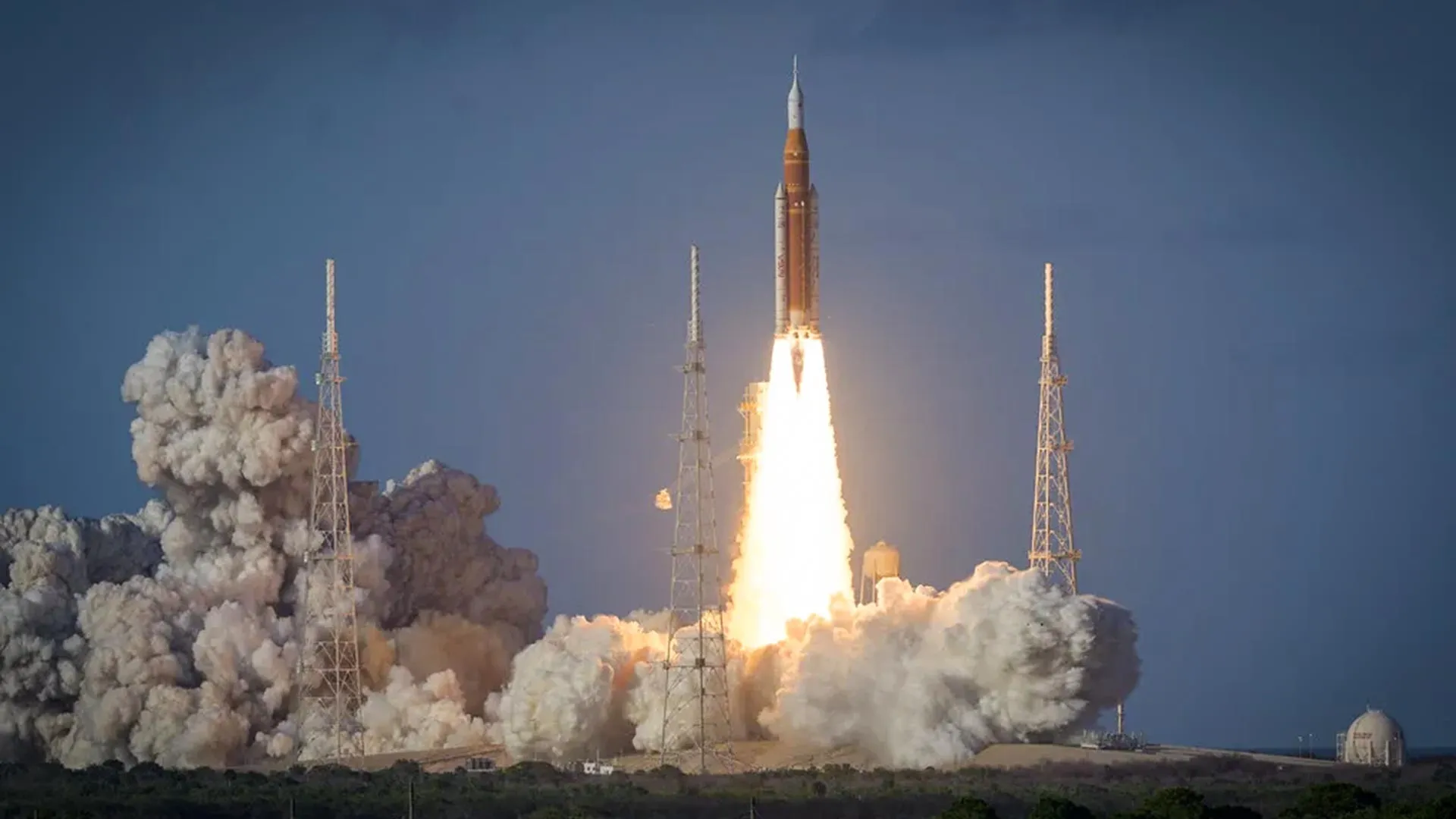
NASA’s Artemis II mission marks a historic moment in human space exploration, sending astronauts around the Moon for the first time in more than 50 years to prepare for future lunar landings and deeper missions into space.
The crew of four astronauts Reid Wiseman, Victor Glover, Christina Koch, and Canadian Space Agency astronaut Jeremy Hansen lifted off aboard NASA’s Orion spacecraft on April 1, 2026 from the Kennedy Space Center in Florida.
The Role of Human Eyes in Space Exploration
Even with modern technology and advanced imaging systems, NASA is placing significant trust in the human eye and brain as scientific instruments on Artemis II. Astronauts on this mission are using their natural vision to observe and study lunar surface features directly during the flight around the Moon.
According to mission scientists, human eyes excel at detecting subtle variations in colour, texture, and geological context capabilities that complement orbital sensors and robotic instruments. This “human visual system” remains one of the most powerful observational tools available, especially when comparing complex terrain or identifying features that automated systems might overlook.
What Makes Artemis II Unique
Although Artemis II will not land on the Moon, it will fly around it on a free‑return trajectory, bringing the spacecraft back to Earth after an approximately 10‑day mission. This profile echoes historic missions like Apollo 13, testing deep‑space systems with crew aboard.
During the mission, astronauts will:
- Observe lunar terrain including regions never seen in real‑time by human eyes before as the Orion spacecraft approaches and swings around the Moon.
- Combine direct human observations with high‑resolution camera images from onboard equipment.
- Help scientists refine their understanding of lunar geology, surface features, and variations in regolith reflectivity and composition.
This emphasis on human visual observation highlights NASA’s belief that astronauts’ perception remains an invaluable asset, even alongside cutting‑edge technology.
The Broader Artemis Program
Artemis II is a critical step in NASA’s broader strategy to return humans to the lunar surface with **Artemis III planned for a landing mission later this decade and to establish a sustainable human presence on and around the Moon.
By combining human expertise with modern spacecraft design and scientific instruments, Artemis II is helping lay the foundation for the future of lunar exploration, inspiring a new generation of discovery.
Share this content:









Post Comment