Kathmandu Valley Mayors’ Forum Forms Committee for Scientific Waste Management Study
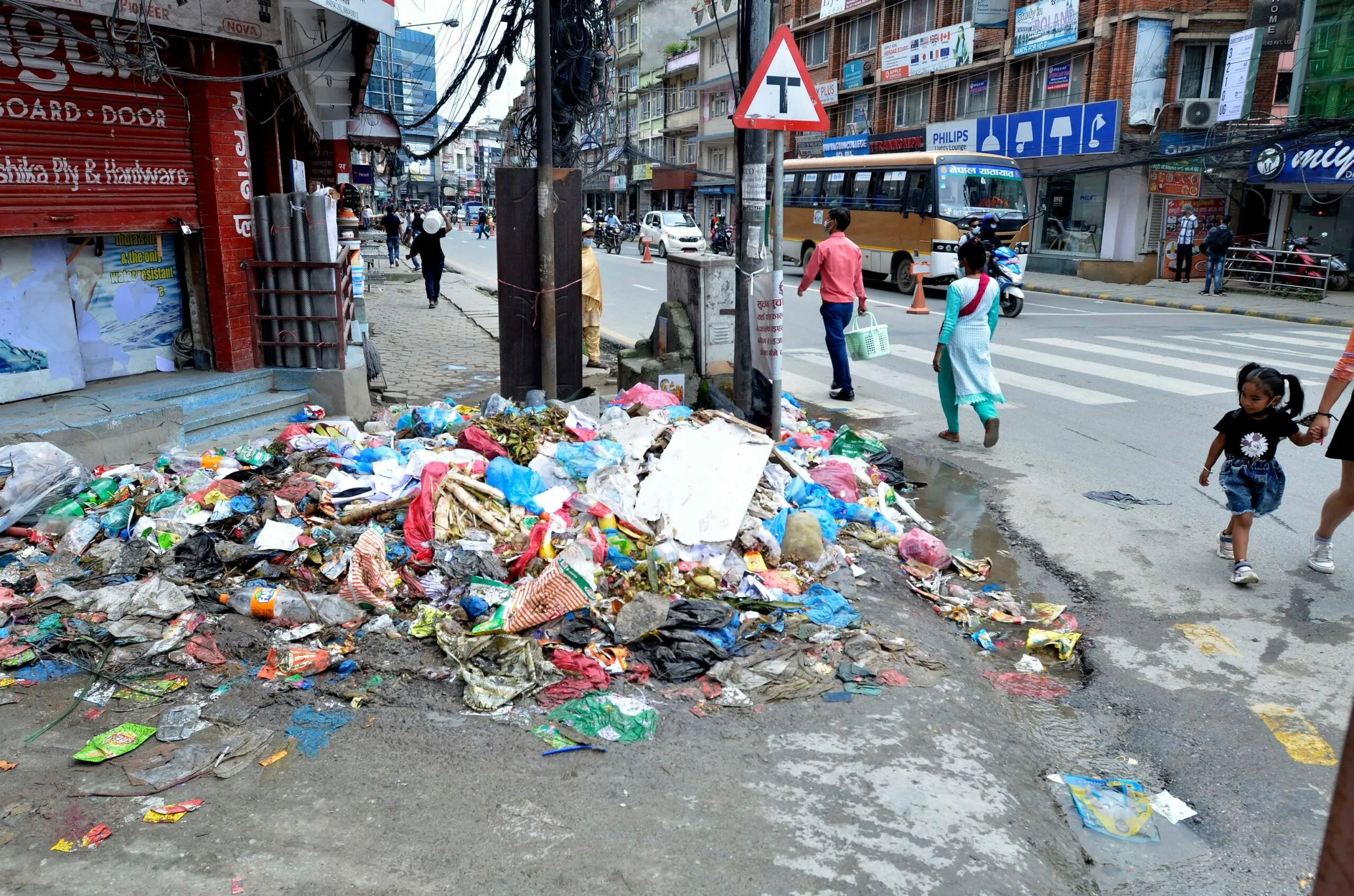
The Kathmandu Valley Mayors’ Forum has decided to form a dedicated committee to conduct a Scientific Waste Management Study aimed at improving long-term waste handling systems across the valley. The decision was made during the forum’s 13th meeting, where representatives discussed coordinated strategies for sustainable urban management.
The newly formed committee will focus on research, assessment, and inter-municipal coordination to strengthen Kathmandu Valley Waste Management practices. Officials stated that rapid urbanization, population growth, and increasing daily waste generation have made it necessary to adopt more organized and science-based approaches.
According to municipal representatives, the Mayors Forum Nepal emphasized collaboration among local governments to address shared environmental challenges. Waste management has remained a priority issue, particularly in densely populated urban areas where efficient collection, segregation, and disposal systems are essential.
The Scientific Waste Management Study will examine current waste handling mechanisms, landfill management practices, recycling systems, and potential technological solutions. Experts may be consulted to recommend improvements that align with environmental standards and long-term sustainability goals.
Officials noted that coordinated planning is crucial for creating a consistent and effective waste management framework. The committee is expected to assess data related to waste generation volumes, infrastructure capacity, and public participation in waste segregation initiatives.
Kathmandu Valley produces a significant amount of solid waste daily, making structured policy planning essential. Municipal leaders highlighted that scientific methods, including proper segregation at source, composting, recycling, and modern landfill management, can significantly reduce environmental pressure.
The Mayors Forum Nepal also discussed the importance of public awareness campaigns to encourage responsible waste disposal practices. Community engagement is considered a key component of sustainable waste management, as household-level segregation and reduced waste production contribute to overall efficiency.
Environmental experts have often emphasized that scientific waste management supports cleaner urban spaces, improved public health, and long-term environmental protection. By forming the study and coordination committee, local leaders aim to strengthen institutional cooperation and create a roadmap for measurable improvements.
The Kathmandu Valley Waste Management initiative is expected to produce recommendations that can guide future municipal policies and infrastructure investments. Authorities believe that a data-driven and research based approach will help municipalities adopt practical and sustainable solutions.
The committee will present its findings and suggestions after completing assessments and consultations. Based on these recommendations, municipalities may implement phased improvements and explore innovative technologies suitable for local conditions.
The formation of this ScientificWasteManagementStudy committee reflects a growing commitment among valley municipalities to address environmental challenges through cooperation and evidence based planning. Officials have expressed optimism that coordinated efforts will lead to more efficient waste management systems and a cleaner urban environment for residents.
Share this content:








Post Comment