Kathmandu Air Pollution Reaches Hazardous Levels, Doctors Advise Limiting Outdoor Activity
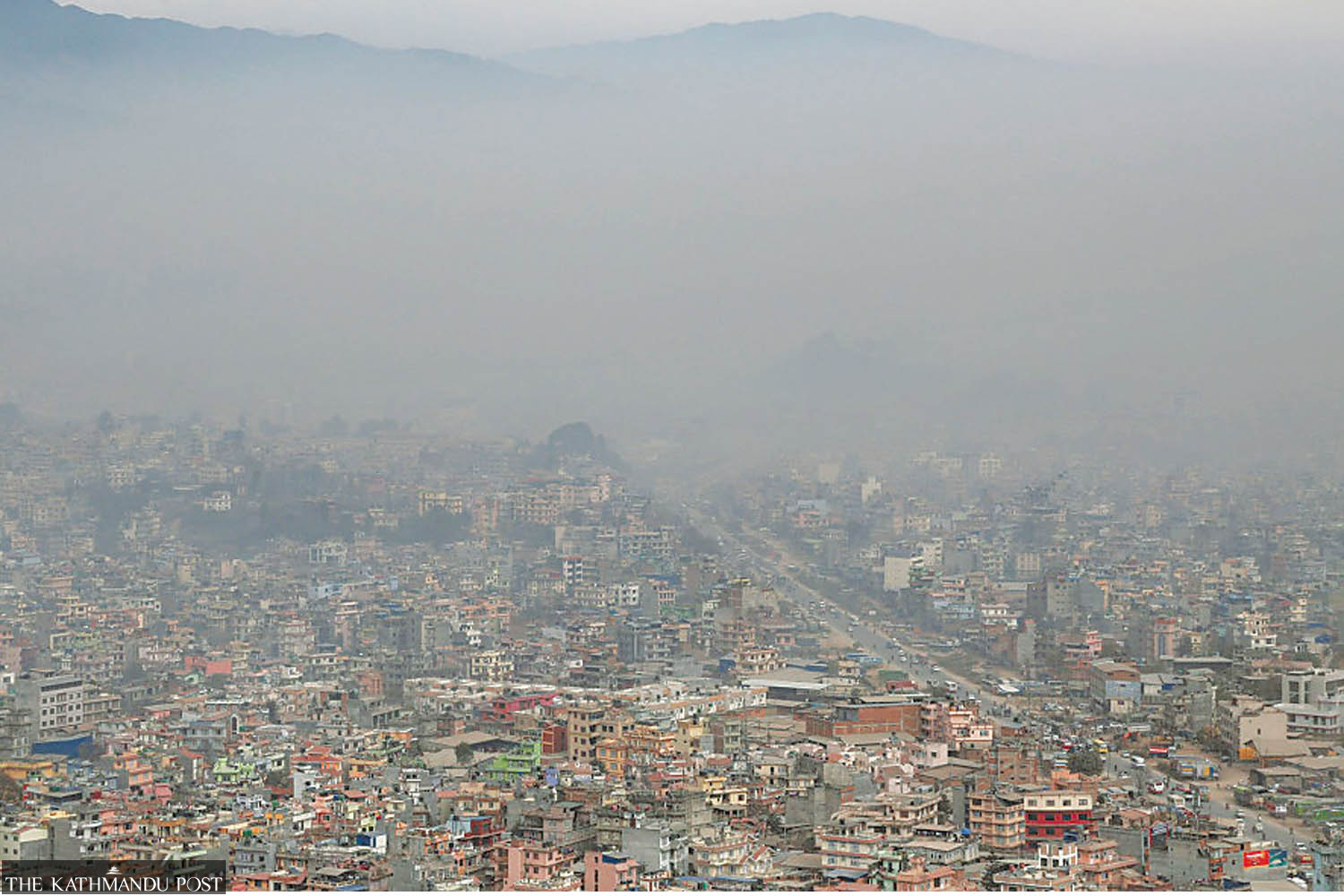
Air quality in the Kathmandu Valley has reached hazardous levels, raising public health concerns among residents and medical professionals. Due to prolonged dry weather, lack of rainfall, and low wind circulation during the winter season, pollution has accumulated heavily across the valley. The skyline has remained covered in a visible layer of smog, reducing visibility and affecting daily life.
According to environmental monitoring reports, the Air Pollution Level in Kathmandu has crossed the threshold considered unhealthy for the general population. Experts explain that when rainfall is absent for extended periods, dust particles, vehicle emissions, and industrial pollutants remain trapped in the valley due to its bowl-shaped geography. Combined with weak wind movement, these pollutants accumulate rapidly, leading to deteriorating air conditions.
Health professionals have advised residents to take precautionary measures. Doctors warn that early morning walks, often considered beneficial for health, may pose risks when pollution levels are high. Exposure to polluted air can irritate the respiratory system, trigger allergies, and worsen conditions such as asthma, bronchitis, and other lung related illnesses. Children, elderly individuals, and those with pre-existing respiratory or heart conditions are particularly vulnerable.
Medical experts recommend limiting outdoor activities, especially during peak pollution hours in the morning and late afternoon. Wearing protective masks designed to filter fine particles, keeping windows closed during high pollution periods, and using air purifiers indoors can help reduce exposure. Hydration and maintaining overall immunity are also encouraged as supportive health measures.
The Kathmandu Valley Air Quality situation is influenced by multiple factors, including vehicle emissions, construction dust, brick kilns, and seasonal agricultural burning in surrounding regions. Environmental analysts emphasize the need for long term solutions such as improved public transportation systems, stricter emission controls, and increased green spaces within urban areas.
Government authorities have stated that air quality is being closely monitored through various stations across the valley. Officials have also urged the public to stay updated with daily air quality reports and follow safety advisories when pollution reaches critical levels. Public awareness campaigns are expected to continue, focusing on reducing individual contributions to air pollution, such as minimizing unnecessary vehicle use.
Environmental experts note that KathmanduAirPollution has become a recurring seasonal challenge, particularly during winter months. Without rainfall or strong winds to disperse pollutants, the valley experiences repeated episodes of unhealthy air. Sustainable urban planning, better waste management, and stricter environmental regulations are seen as essential components in addressing the issue long-term.
Residents have expressed growing concern over the impact of Air Pollution in Kathmandu on daily routines, school activities, and outdoor exercise. Some schools have adjusted outdoor programs, and families are taking additional precautions to protect children from prolonged exposure.
Health professionals continue to emphasize that while short-term preventive actions are important, coordinated policy-level measures are equally necessary. Cleaner transportation alternatives, promotion of electric vehicles, and strict monitoring of industrial emissions are among the steps suggested by environmental advocates.
As pollution levels remain high, authorities and citizens alike are encouraged to prioritize safety and collective responsibility. Monitoring the Kathmandu Valley Air Quality Index regularly and adopting protective habits can help minimize health risks during this period.
Share this content:






Post Comment