Jumla Electoral Pattern Shows No Repeat Member of Parliament
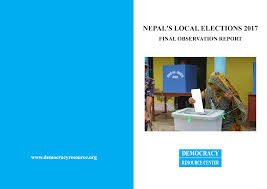
Jumla district has a unique electoral pattern in Nepal’s parliamentary history. No Member of Parliament from the constituency has been re-elected in successive elections. Each election cycle has produced a new representative, making Jumla an interesting case in Nepal’s democratic landscape.
Political observers say this pattern reflects strong voter engagement and changing public priorities. Voters in Jumla often evaluate candidates based on current needs rather than past results. Development, public service delivery, and local leadership are common factors that influence voter choice.
Jumla’s geography and community structure also shape electoral behavior. As a remote Himalayan district, local concerns such as infrastructure, access to services, and economic opportunity play a major role in decision-making. Candidates are expected to address practical issues affecting daily life.
Election officials note that voter participation in Jumla remains active across election cycles. The consistent change in representation highlights the dynamic nature of democratic choice within the constituency.
As the next election approaches, observers continue to watch whether Jumla will maintain its pattern of electing new leadership. The district remains an example of evolving voter preference and community-driven decision-making in Nepal.
Share this content:






Post Comment