Iran Targets Gulf Energy Installations as Oil Prices Surge
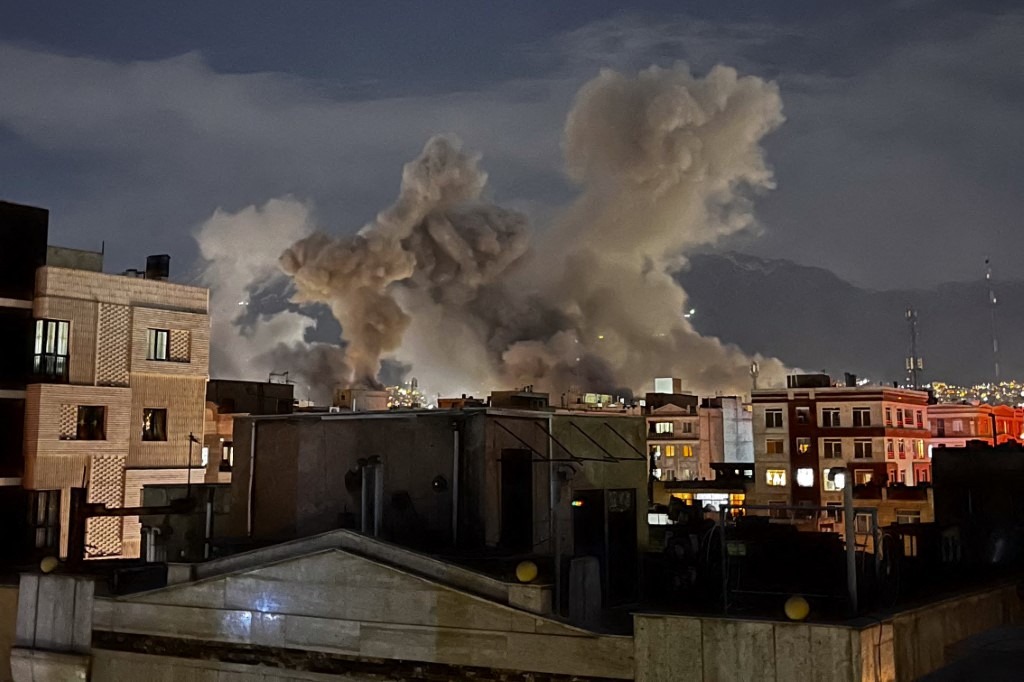
Iran launched new strikes on energy installations across the Gulf region, including a petroleum complex in Manama, raising concerns about potential disruptions to global energy supplies. The attack reportedly targeted a major oil facility in Bahrain, causing a fire and infrastructure damage while emergency teams worked to contain the situation.
Authorities said the strike hit the Al-Ma’ameer petroleum complex, a key refinery operated by Bahrain’s state energy company. Following the incident, the company declared force majeure, a legal measure used when extraordinary events prevent companies from meeting contractual obligations. The refinery sustained damage but officials stated that the fire was quickly brought under control.
The IranGulfEnergyAttack comes amid escalating tensions across the Middle East, where ongoing military exchanges have already affected infrastructure and transportation networks. Several Gulf energy producers have raised concerns that continued attacks could disrupt oil shipments and industrial operations across the region.
Global energy markets reacted quickly to the developments. Brent crude oil prices surged sharply, climbing above $110 per barrel as traders feared supply disruptions from the Gulf, a region responsible for a significant share of the world’s oil exports. Analysts warn that prolonged conflict could push prices even higher if production or shipping routes are further affected.
The BahrainOilFacilityStrike is part of a broader escalation linked to the ongoing conflict involving Iran, Israel, and their regional allies. Governments across the Gulf have condemned the attacks and called for restraint, warning that further escalation could threaten economic stability and regional security.
Experts say the GlobalOilPriceSurge highlights how sensitive energy markets remain to geopolitical tensions in the Middle East. With roughly one-fifth of the world’s oil supply passing through the Strait of Hormuz, any disruption in the region could have widespread economic consequences for countries and industries worldwide.
Share this content:








Post Comment