Iran Reports Death of Supreme Leader Ayatollah Ali Khamenei Following Military Strikes
Iranian authorities have confirmed that Ayatollah Ali Khamenei, the country’s Supreme Leader since 1989, has died following an extended period of military activity involving forces from the United States and Israel. State media in Iran announced a period of national mourning and described the event as a major development for the nation’s leadership.
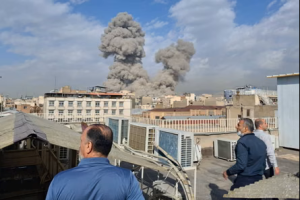
According to Iranian officials, the confirmation follows statements from military sources in both the United States and Israel indicating that strikes targeted strategic sites in Tehran as part of a broader JointUSIsraelMilitaryStrikes operation. Iran’s government declared a multi-day mourning period and public holidays. Reports also indicate that several members of Khamenei’s family were affected during the same events, although details on specific individuals vary across official statements.
The situation has drawn attention from governments and international observers due to its potential implications for regional stability. Iran’s MiddleEastGeopoliticalSituation remains dynamic, with authorities emphasizing the importance of unity and continuity within the nation’s constitutional framework. Domestic leaders have initiated discussions about transitional arrangements and leadership structures in the wake of this announcement.
Officials in Tehran described Khamenei as a longstanding figure in the country’s governance and religious establishment. His tenure shaped Iran’s political direction for decades, with responsibility over national policy, military structures, and diplomatic initiatives. The formal confirmation of his passing marks a notable moment in the country’s modern political history.
At the same time, leaders in the United States and Israel have stated that their respective governments were not issuing additional public comments beyond earlier operational acknowledgments. Diplomatic envoys and regional partners are monitoring developments carefully, as shifts at the highest levels of national leadership can influence bilateral relations and collaborative efforts on global issues.
Experts on Middle Eastern affairs note that the IranSupremeLeaderDeathReports announcement could lead to adjustments in both domestic policy priorities and regional engagements. Succession procedures under Iran’s governing framework involve designated constitutional bodies, and attention is focused on how these mechanisms will operate in the current context.
The JointUSIsraelMilitaryStrikes and resulting leadership developments have prompted international calls for calm and diplomatic dialogue. Representatives from nations across Asia, Europe, and other regions have expressed interest in de-escalation and stability, emphasizing peaceful engagement and respect for sovereign processes.
As the MiddleEastGeopoliticalSituation continues to evolve, authorities and analysts alike stress the importance of verified information and measured responses. Further official updates are expected from Iranian institutions and global partners in the coming days.
Share this content:






Post Comment