Hundreds of Indonesians Take Shelter After Volcano Erupts: Authorities on High Alert
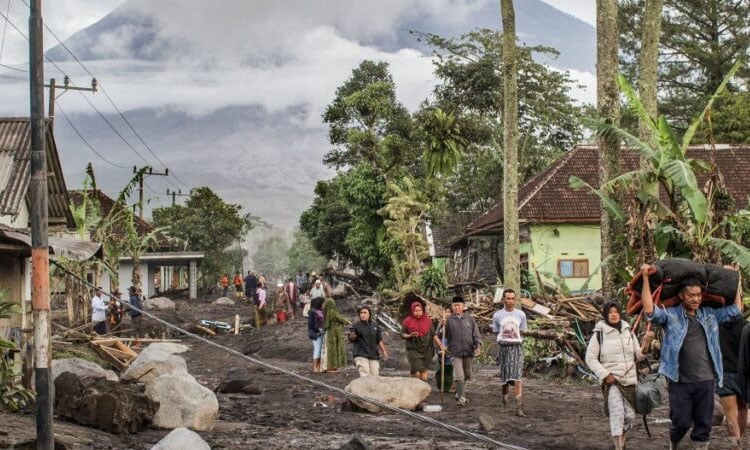
Hundreds of residents in Indonesia have been forced into emergency shelters after a sudden volcanic eruption sent ash clouds and debris billowing into the sky. Local authorities have activated a high-alert status as communities scramble for safety and emergency teams work to support displaced families.
Indonesia, located along the Pacific Ring of Fire, experiences frequent volcanic activity, but the latest eruption has raised new concerns about safety, preparedness, and environmental impact.
Ash Clouds Blanket Surrounding Areas
According to officials, the volcano released dense ash plumes, reducing visibility and coating nearby villages in thick layers of volcanic dust. Residents were urged to wear masks, avoid outdoor exposure, and follow evacuation instructions.
Emergency services are currently:
- Setting up temporary shelters in schools and community halls
- Distributing food, water, and medical supplies
- Monitoring volcanic activity for possible secondary eruptions
- Coordinating with local leaders to ensure smooth evacuation
While no major injuries have been reported yet, authorities emphasize that conditions remain unpredictable.
Why Indonesia Faces Frequent Eruptions
Indonesia is home to more than 120 active volcanoes, making it one of the most volcanically active countries in the world. Its position on tectonic plate boundaries means eruptions and earthquakes are common, leaving millions vulnerable to natural hazards.
This latest eruption underscores the need for:
- Stronger disaster response systems
- Improved early warning technologies
- Community preparedness programs
- Increased government support for vulnerable regions
Life Inside the Shelters
Families who fled their homes are currently staying in temporary evacuation centers, where they receive basic necessities and medical attention. Volunteers, local NGOs, and government teams are working together to create safe, stable conditions.
Evacuees report mixed emotions relief at being safe, but uncertainty about how long they’ll be displaced or whether their homes will be affected by ash fallout.
Children are particularly vulnerable, with health teams monitoring for respiratory issues due to ash exposure.
Authorities Warn of Possible Further Activity
Volcanologists are closely observing seismic patterns, noting that aftershocks and minor tremors are still occurring. Authorities have warned residents not to return home until official clearance is given, as secondary explosions or lava flows remain a risk.
Officials have also temporarily closed nearby hiking routes, restricted aviation routes, and advised local farmers to protect livestock and crops from ash contamination.
Conclusion
The recent volcanic eruption has forced hundreds of Indonesians to take shelter, reminding the nation once again of its ongoing battle with natural disasters. As emergency services continue to work tirelessly, the safety and resilience of local communities remain the top priority.
Share this content:






Post Comment