Global Oil Prices Drop, But Relief Not Reaching Nepal
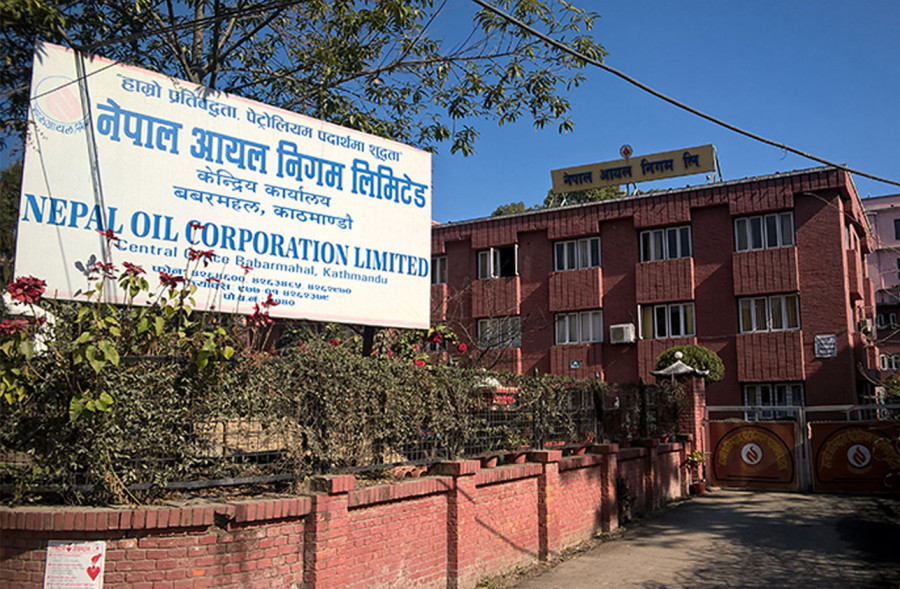
Global oil prices have sharply declined following a ceasefire between the United States and Iran, bringing temporary relief to international markets. Brent crude fell significantly—by over 13% in a single day—dropping below $100 per barrel after weeks of volatility caused by conflict in the Middle East. However, despite this global drop, the benefits are not immediately visible for consumers in Nepal.
Why Prices Remain High in Nepal
Experts explain that oil pricing in Nepal does not instantly reflect global market changes. Nepal relies heavily on imports, mainly through India, and prices are influenced by factors such as transportation costs, currency exchange rates, and existing supply contracts. Additionally, disruptions in oil shipping—especially through the Strait of Hormuz—have created lingering supply uncertainties, keeping fuel costs elevated even after the ceasefire. Domestic issues like market adjustments and delayed price revisions also contribute to the continued high cost for consumers.
What to Expect in the Coming Days
While global trends suggest that fuel prices could gradually stabilize, immediate relief in Nepal may take time. Authorities and suppliers often wait for sustained price changes before adjusting local rates. If the ceasefire holds and supply chains normalize, Nepali consumers could eventually see lower fuel prices. Until then, the situation highlights how global conflicts continue to directly impact everyday costs in import-dependent economies like Nepal.
Share this content:







Post Comment