Gen Z’s Revolution: Nepal’s Final Chance for Reform
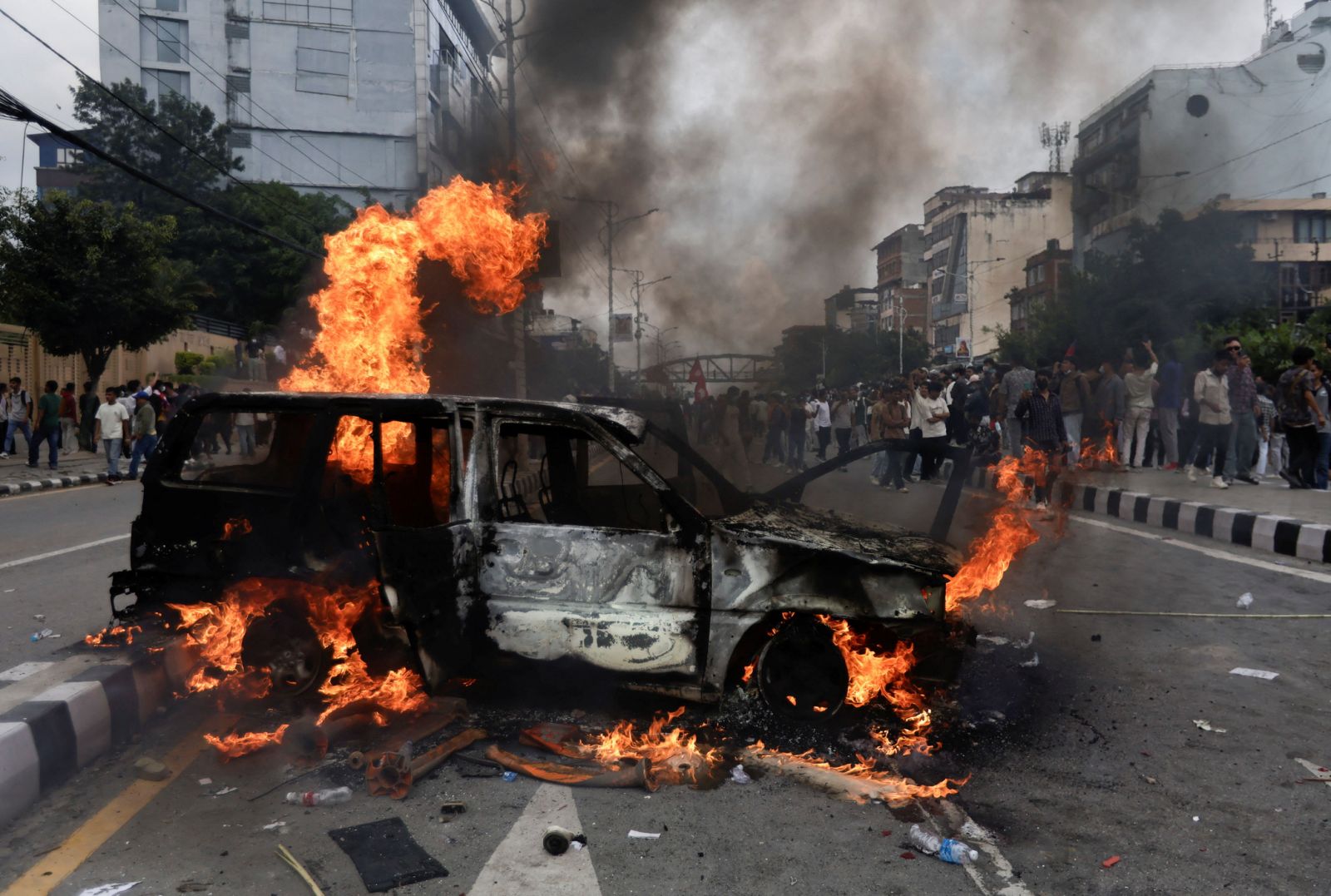
Nepal stands once again at a crossroads. Across the country, young people are filling the streets, disillusioned by unemployment, corruption, and the failure of the state to deliver dignity or opportunity. But history cautions that every revolt in Nepal’s past, from the fall of the Ranas to the 1990 democracy movement to the federal republic of 2006, began with hope and ended with continuity.
Why Nations Fail And Why Nepal Hasn’t Escaped
As Acemoglu and Robinson argue in Why Nations Fail, countries prosper when they build inclusive institutions that expand opportunity and reward innovation. They fail when they remain trapped in extractive systems designed to concentrate power and wealth.
Nepal has remained trapped since its founding. The Muluki Ain of 1854 legally entrenched caste hierarchy, ensuring that exclusion was not accidental but structural. Corruption became the state’s organizing principle. Unlike America’s imperfect but progressive revolution, Nepal’s founding moment institutionalized inequality instead of dismantling it.
From Unification to Oligarchy
When Prithvi Narayan Shah unified Nepal in 1769, his motive was economic control, not national inclusion. The “garden of four castes and thirty-six ethnicities” was poetic in form but hierarchical in function.
The Ranas, who seized power in 1846, perfected this model turning the state into a hereditary oligarchy. For over a century, they centralized rents, restricted education, and auctioned offices. While Japan’s Meiji Restoration dismantled feudalism and invested in education, Nepal sank into isolation. Today, that legacy is visible: a GDP per capita of US$1,447, compared to South Korea’s US$33,000, a nation poorer than Nepal in the 1950s.
Democracy Without Reform
The fall of the Ranas in 1951 and the Jana Andolan of 1990 promised change but merely reshuffled elites. Multiparty democracy arrived without independent courts, fiscal transparency, or merit-based bureaucracy. Ministries became commodities; contracts became political capital.
In contrast, East Asia coupled democratization with meritocracy and industrial policy, Nepal liberalized corruption instead.
Federalism and the Failure of Inclusion
The Maoist insurgency of 1996 was born from unkept promises. Rural poverty, caste exclusion, and state neglect pushed the marginalized to rebellion. The 2006 republic introduced federalism, secularism, and republicanism, yet again without reform. Patronage was decentralized, not dismantled.
Movements like the Madhesh Andolans and Janajati protests exposed the hollowness of inclusion. Even today, citizenship laws remain discriminatory, and local governance often replicates old hierarchies in new forms.
The Architecture of Corruption
Nepal’s corruption is systemic, not incidental. Political patronage decides appointments; fiscal opacity shields graft; watchdog institutions lack autonomy. Projects enrich politicians and contractors more than the people.
The numbers confirm the pattern:
- Growth: 4.4% (ADB, FY2025)
- Inflation: 5.2%
- Remittances: 26% of GDP
- Youth unemployment: over 20%
- Governance effectiveness: –0.81 (World Bank)
- Corruption ranking: 107th of 180 (Transparency International)
Nepal’s economy runs on migration, exporting youth because it cannot provide opportunity at home.
Gen Z’s Uprising and the Risk of Repetition
The Gen Z movement of 2025 erupted from frustration at unemployment and systemic corruption. Yet, the interim government formed under public pressure has only replaced faces, not institutions. The judiciary remains weak, anti-graft bodies lack independence, and transparency is still a slogan.
Outrage alone is not reform. Unless protest translates into institutional redesign, with independent courts, transparent budgets, empowered watchdogs, and inclusive citizenship, this generation’s revolt will fade like the rest.
A Narrow Window Before Collapse
At every historical turning point, Nepal could have chosen reform in 1769, 1951, 1990, and 2006. Each time, the elites chose continuity. The results are stark: stagnant incomes, rising migration, failing governance, and deepening public cynicism.
Philosophers across centuries have warned that corruption corrodes nations from within. Aristotle called it the perversion of polity; Rousseau, a new form of slavery; Marx, class exploitation. Acemoglu and Robinson remind us nations fail because they exclude.
Nepal’s tragedy is not that it revolts too little, but that it revolts without reform. The Gen Z movement may be the last chance to break this cycle. If it too is absorbed into the old order, Nepal’s decline will not be theoretical, it will be irreversible.
Share this content:









Post Comment