French Scientists Explore mRNA’s Potential to Fight Cancer: A New Era of Treatment
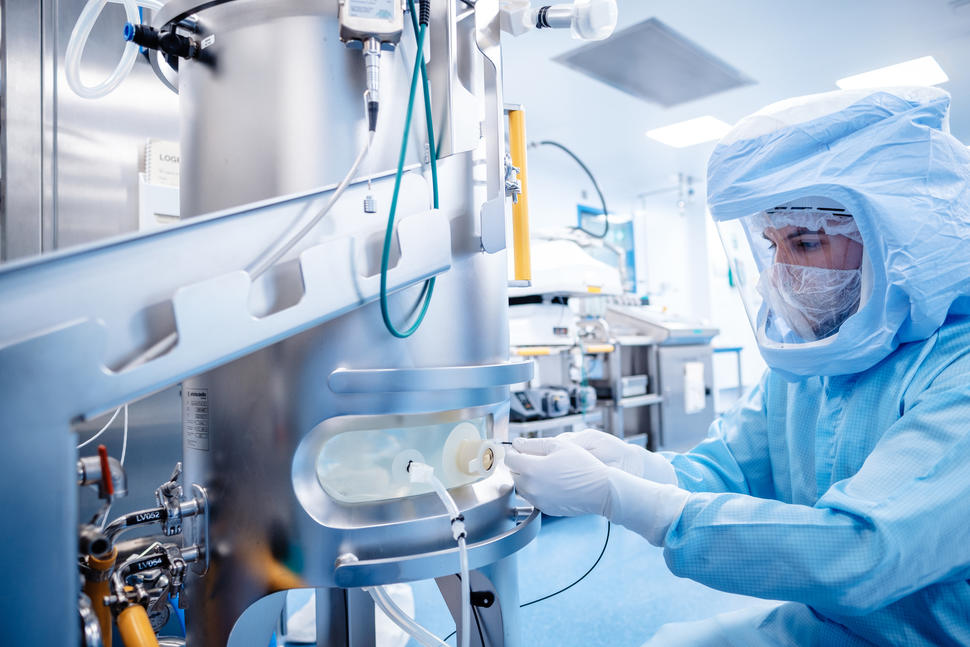
French scientists are taking a major step toward the future of cancer treatment by exploring how mRNA technology, the same breakthrough used in COVID-19 vaccines can be used to fight cancer. This research could transform oncology by offering more targeted, faster, and personalized treatment options for patients.
What Is mRNA and Why Does It Matter in Cancer Treatment?
mRNA (messenger RNA) technology teaches the body’s cells how to produce proteins that trigger specific immune responses. During the pandemic, mRNA vaccines helped fight COVID-19. Now, scientists believe this same technology can train the immune system to identify and destroy cancer cells.
Why it’s revolutionary:
- mRNA can be customized for each patient
- It may target cancer cells more precisely
- It can boost the immune system’s natural ability to fight tumors
- Production is faster compared to traditional treatments
This makes mRNA a promising tool for personalized cancer therapy.
The French Research Behind the Breakthrough
Teams from leading French research institutions, including oncology labs and biotech companies, are testing whether mRNA can create a therapeutic cancer vaccine. This vaccine would not prevent cancer but help the body fight existing tumors.
Their goals include:
- Developing mRNA sequences that target tumor-specific proteins
- Stimulating strong immune responses against cancer cells
- Testing safety and effectiveness in early clinical trials
- Understanding how mRNA behaves in the body over time
Scientists say early laboratory results are “highly encouraging.”
How mRNA Cancer Vaccines Would Work
mRNA cancer vaccines are designed to teach the immune system to recognize cancer cells as threats.
The process:
- Identify genetic markers or “signatures” unique to a patient’s tumor
- Create a personalized mRNA sequence based on those markers
- Inject the mRNA into the patient
- Allow the body to produce specific proteins that alert immune cells
- Immune system attacks and destroys cancer cells
This approach targets cancer at its genetic level, making it more precise than traditional chemotherapy.
Potential Benefits for Cancer Patients
If successful, mRNA cancer vaccines could bring major benefits:
- More personalized than standard treatments
- Fewer side effects compared to chemotherapy
- Better targeting of tumor cells
- Adaptable for different cancer types
- Faster vaccine development for aggressive tumors
This could open new possibilities for treating cancers like melanoma, breast cancer, lung cancer, and pancreatic cancer.
Challenges and Ongoing Questions
Despite its promise, mRNA cancer therapy still faces challenges:
- Tumors mutate quickly, requiring rapid adaptation
- Immune system response may vary across patients
- Long-term effectiveness needs more clinical data
- Manufacturing personalized vaccines is complex
French scientists emphasize that while the technology is promising, more research is essential before widespread use.
A Hopeful Future for Cancer Care
The exploration of mRNA’s cancer-fighting potential represents a major step toward next-generation cancer therapies. France’s leadership in this research could accelerate global progress and bring new hope to millions of patients.
If clinical trials succeed, mRNA cancer vaccines may become a foundational treatment in the near future offering more precise, faster, and life-saving care.
Share this content:









Post Comment