Fraudsters Exploit Gen-Z Protest Chaos, Target Public With Fake Rastriya Banijya Bank KYC Scam
KATHMANDU
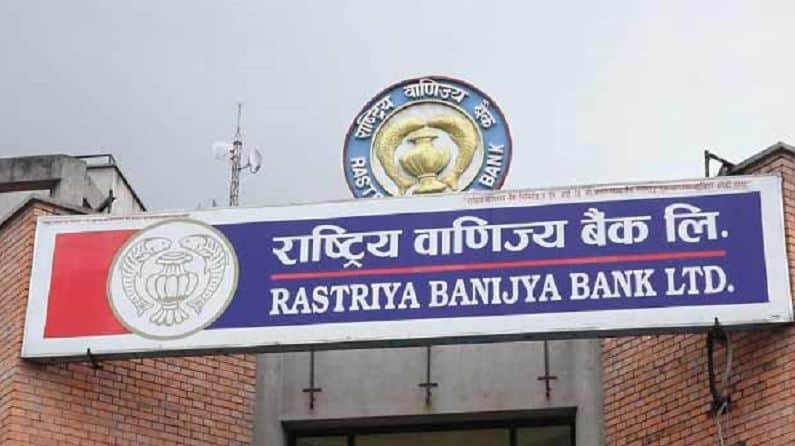
Scammers are increasingly targeting bank customers by falsely claiming that Rastriya Banijya Bank’s (RBB) system was damaged during the recent Gen-Z protests. Using this narrative, fraudsters are sending fake “KYC update” links to steal sensitive banking details.
According to reports, the scammers contact individuals through calls and text messages, urging them to click on fraudulent links to “update their KYC information.” Once users open the link and enter their login details, the attackers gain access to their accounts and attempt to withdraw funds.
Facebook user Devendra Koirala recently shared his experience. He received a call from 9700554568, which appeared as Rastriya Banijiya Limited on Truecaller.
During the call, the scammer told him:
“All the bank’s records were destroyed during the Gen-Z protests. I’ve sent a link to your SMS for KYC update. Please open it and complete the process. I’ll stay on the line if you face any issues.”
Initially convinced—given reports of vandalism during the demonstrations—Devendra clicked the link. It prompted him to enter his banking user ID and password, followed by an OTP. However, he noticed the webpage looked suspicious and contained advertisements, unlike the official bank site.
Realizing something was wrong, he avoided entering the OTP, quickly transferred his money to another account, and contacted the bank. Only then did he confirm he had narrowly escaped a scam. Later, he called the fraudster back and warned:
“Get ready to be handcuffed.”
His experience reflects a rising trend in digital banking fraud across the country.
Rastriya Banijya Bank has issued a notice urging customers not to click on links sent from unknown numbers and never to share OTPs or confidential information over phone calls.
The bank stated:
“Some fraudsters are misusing the name of Rastriya Banijya Bank to call customers, request personal information, or offer fake schemes. Please do not trust such messages or calls.”
The number that contacted Devendra appears on Truecaller with the bank’s logo but contains a spelling error—an indication of its fraudulent nature. Experts warn that even verified badges on Truecaller only confirm email verification and do not guarantee a caller’s real identity.
Police and financial institutions have urged the public to remain vigilant and avoid opening suspicious links or sharing personal information, even if the communication appears to come from a trusted source.
Share this content:









Post Comment