Fear Is Not Just Personal, It’s Political
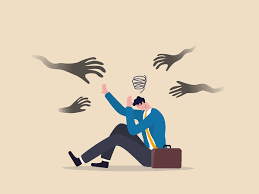
Fear is often seen as a personal emotion, but recent events and social discussions show that it can also be deeply political. Political leaders, media, and policies can influence public perception, shaping collective fears that affect society as a whole. Understanding the political dimension of fear helps explain why communities react differently to crises, policies, and social changes.
Experts note that fear can be used to guide public behavior. Governments may implement policies or communications that emphasize certain risks, encouraging caution, compliance, or unity. While this can sometimes be beneficial, it can also be used to influence opinions, limit freedoms, or shape elections. Media coverage and social networks play a strong role in amplifying these fears, often turning private anxieties into broader societal concerns.
Historically, political fear has shaped decisions during economic downturns, social unrest, and conflicts. Citizens’ responses to government policies, protests, and international events are often influenced by perceived risks and uncertainties. Understanding this connection allows individuals to navigate information critically and make more informed choices.
Psychologists also emphasize that recognizing fear’s political dimension can empower people. By analyzing how fear is constructed and communicated, individuals can respond thoughtfully rather than react impulsively. This helps promote a healthier public discourse and strengthens community resilience against misinformation or manipulation.
In modern society, where news spreads rapidly and social media can amplify emotions, distinguishing personal fears from politically influenced fears is essential. Awareness and education about the role of politics in shaping fear can foster critical thinking and a more balanced approach to societal issues.
Overall, fear is not just a private feeling; it intersects with politics, culture, and communication. Understanding its political dimension is crucial for citizens, policymakers, and media alike to ensure that fear informs rather than controls public life.
Share this content:









Post Comment