Counting, Monitoring of Gharial Crocs Initiated in Rapti and Narayani Rivers
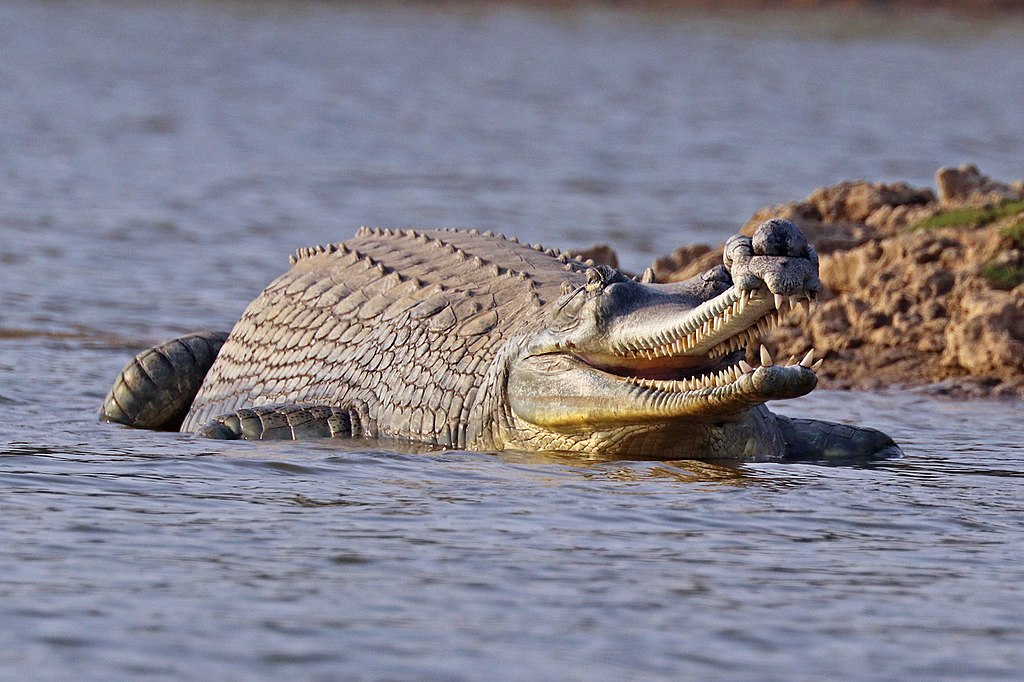
Nepal has officially begun the counting and monitoring of endangered gharial crocodiles in the Rapti and Narayani Rivers, a key step toward strengthening conservation efforts for one of the world’s rarest reptiles. The initiative aims to gather updated data on gharial populations, understand their habitat conditions, and track their survival challenges.
The gharial (Gavialis gangeticus) , recognizable by its long, narrow snout, is listed as Critically Endangered. Despite years of conservation work, including breeding and release programs, their numbers remain fragile in the wild. These two river systems, Rapti and Narayani, are among Nepal’s crucial habitats where gharials are known to thrive.
Why the Initiative Matters
The counting process helps conservationists:
- Track population growth or decline
- Identify nesting areas and safe habitats
- Study seasonal movement patterns
- Evaluate threats such as river pollution, fishing nets, sand mining, and habitat disturbance
Accurate data will guide future conservation decisions and help authorities plan better protection strategies for these river ecosystems.
How the Monitoring is Being Done
Teams from the national parks, local authorities, and wildlife researchers are participating in the survey. They are using:
- River patrols
- Visual counting techniques
- Data logging of gharial size, age, and location
- Observation of riverbank activities
The monitoring will continue for several days, covering long stretches of both rivers.
Conservation Efforts So Far
Nepal has been running the Gharial Conservation and Breeding Program for decades, releasing hatchlings into the wild every year. Still, survival rates remain low due to human activities and changing river ecosystems. This fresh round of monitoring will help assess whether released gharials are successfully adapting.
What This Means for Nepal’s Biodiversity
The initiative is a positive sign for Nepal’s commitment to protecting endangered wildlife. Healthy gharial populations also indicate healthy river ecosystems, supporting fish populations and overall biodiversity. As environmental challenges increase, such regular monitoring becomes even more essential
Share this content:









Post Comment