Chinese AI Model Sora-2.0 Draws Attention in Hollywood for Advanced Video Generation
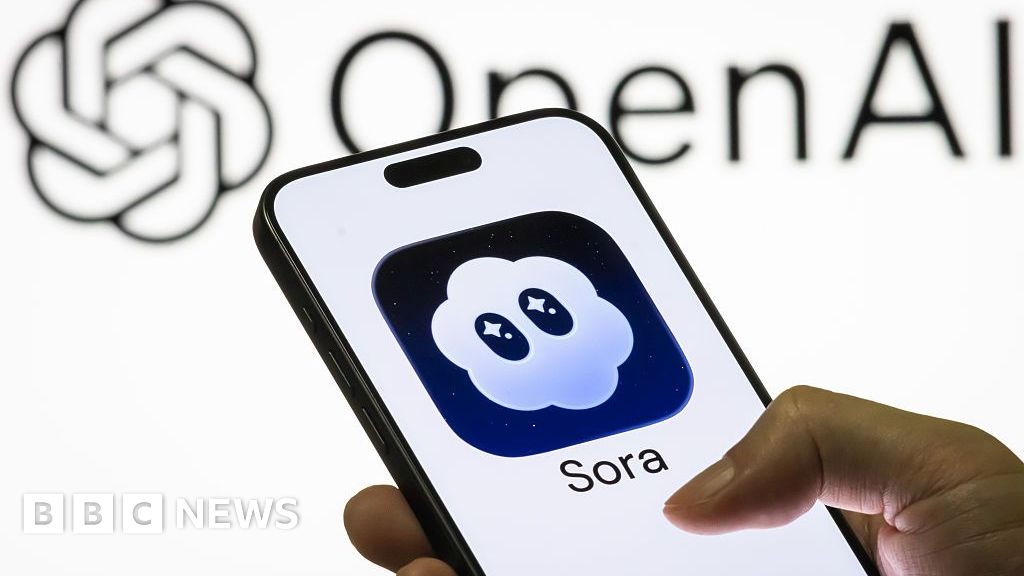
A newly introduced Chinese AI Video Model, Sora 2.0 AI, is gaining attention in Hollywood for its ability to generate cinematic-quality videos using artificial intelligence. The system, reportedly developed by ByteDance, is designed to create high quality video content complete with synchronized sound effects and detailed visual elements.
Industry observers say the emergence of Sora20AI reflects the rapid global expansion of AI driven creative tools. The model is reported to generate scenes with advanced lighting, camera motion, and realistic character rendering, features typically associated with professional film production workflows.
ByteDanceArtificialIntelligence initiatives have expanded significantly in recent years, particularly in content-generation technologies. Analysts note that competition in the AI video space is intensifying as companies invest heavily in machine learning models capable of producing longer, more detailed, and context aware video sequences.
Hollywood professionals are closely monitoring such developments, as AI assisted video production could influence editing processes, visual effects workflows, and pre visualization techniques. While some see opportunities for faster and more cost-effective production, others emphasize the importance of maintaining human creativity and artistic oversight.
Experts explain that AI-generated cinematic content typically relies on large-scale training datasets, neural rendering techniques, and advanced diffusion models. These systems can interpret text prompts or structured instructions to produce dynamic scenes that resemble live action footage.
The introduction of ChineseAIVideoModel technology also highlights broader global competition in artificial intelligence development. Countries and private technology firms continue to invest in AI research aimed at transforming media production, gaming, advertising, and digital entertainment.
Despite the excitement, professionals stress that regulatory discussions around intellectual property, data usage, and ethical considerations remain ongoing. As AI generated content becomes more sophisticated, policymakers and industry stakeholders are expected to address questions related to authorship and copyright protections.
For now, Sora 2.0 AI’s reported capabilities are drawing attention from film studios, content creators, and technology analysts alike. Whether it becomes widely adopted in mainstream film production will depend on performance reliability, industry acceptance, and evolving regulatory frameworks.
The rapid evolution of ByteDanceArtificialIntelligence solutions demonstrates how AI tools are reshaping creative industries worldwide. As competition grows, the intersection of technology and filmmaking is likely to remain a key area of innovation and debate in the years ahead.
Share this content:










Post Comment