Central Bank Postpones Long Term Liquidity Withdrawal Plan Amid Election Uncertainty
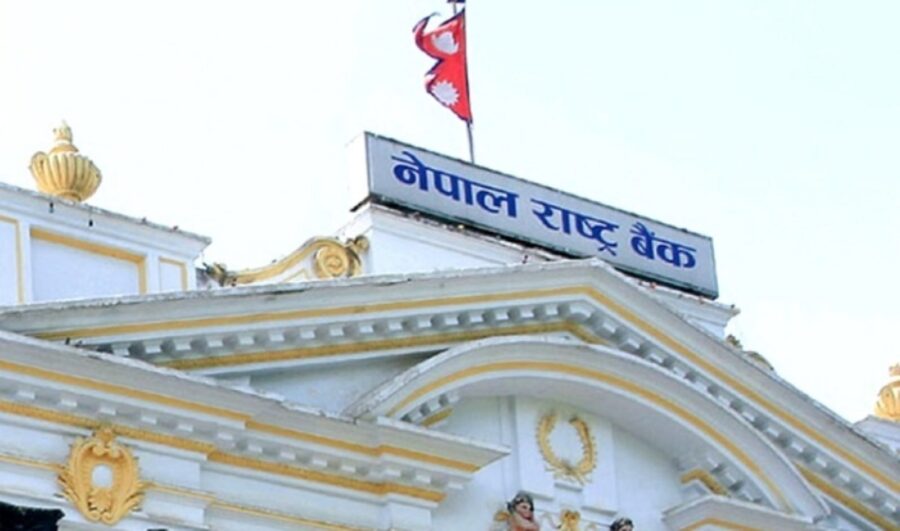
The central bank has postponed its planned long term liquidity withdrawal program, citing the need for caution amid ongoing political and election related uncertainty. The decision comes after earlier indications that interest rates were expected to remain stable in the near term.
Officials had previously prepared to absorb excess liquidity from the banking system under the assumption that market conditions would support such a move without triggering immediate pressure on interest rates. However, evolving economic signals and the broader political environment have prompted a reassessment of the timing.
According to financial sector sources, the Central Bank Liquidity Management strategy is being recalibrated to maintain balance in the banking system. Authorities are closely monitoring deposit growth, credit expansion, and interbank lending trends before implementing any long-term withdrawal measures.
Economists suggest that election periods often bring heightened economic sensitivity, with changes in spending patterns and investor sentiment. In such circumstances, tightening liquidity could create upward pressure on borrowing costs, potentially affecting businesses and consumers. The Nepal Interest Rate Outlook therefore remains under close observation by both regulators and commercial banks.
The decision to delay the liquidity withdrawal is seen as a precautionary measure to ensure financial stability. By maintaining adequate liquidity in the market, the central bank aims to prevent sudden volatility and sustain confidence in the banking sector. Analysts note that flexible policy adjustments are common when economic or political conditions shift.
Banking experts also point out that managing liquidity effectively is essential for controlling inflation, stabilizing interest rates, and supporting overall economic growth. The current approach suggests that the Nepal Rastra Bank Policy direction is focused on stability rather than aggressive tightening.
Market participants will now be watching future monetary policy updates for clearer guidance on when the postponed plan may be revisited. The central bank is expected to continue evaluating macroeconomic indicators, including inflation trends, foreign exchange reserves, and credit demand, before making further decisions.
As the election period progresses, financial institutions are likely to maintain cautious lending strategies while awaiting clearer policy signals. The postponement reflects the regulator’s intention to balance monetary discipline with economic stability during a sensitive period.
Share this content:






Post Comment