Bagmati Province Moves to Amend Forest Act to Promote Domestic Timber Use and Reduce Imports
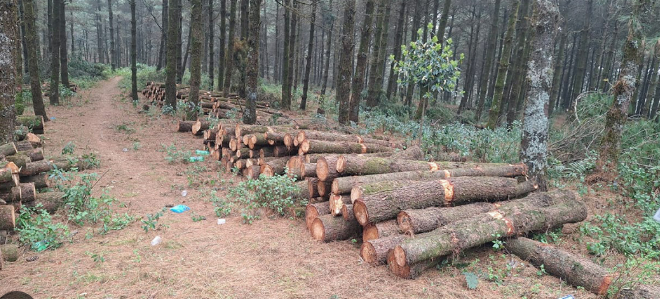
Bagmati Province is preparing to amend its Forest Act with the aim of increasing the use of domestically produced timber and reducing Nepal’s growing dependence on imported wood products.
With 53 percent of Bagmati’s land covered by forests, the province holds one of the richest forest resource bases in Nepal—well above the national average forest coverage of 46 percent. Despite this abundance, a large volume of timber demand in the market is still being met through imports, mainly due to policy barriers, slow distribution systems, and weak processing infrastructure.
The proposed amendment is expected to focus on making local timber more accessible, affordable, and market-competitive. Provincial lawmakers and forest sector stakeholders have raised concerns that existing legal provisions are too conservation-heavy and do not adequately support the sustainable use of forest resources.
One of the major goals of the legal revision is to encourage the use of domestic timber in construction and furniture industries, which currently face strong competition from cheaper imported alternatives such as processed wood, aluminum, and UPVC materials. Experts say improving local timber harvesting, treatment, seasoning, and finishing technology could help increase public trust in homegrown wood products.
Officials also believe the amendment could help reduce Nepal’s timber import bill, which has continued to rise despite the country’s vast forest wealth. Many stakeholders argue that outdated regulations, lack of transparency in auctions, and delays in harvesting approvals have prevented Bagmati’s forests from contributing fully to the economy.
The move aligns with broader national efforts to prioritize indigenous timber use in public infrastructure and government buildings. Recently, forest sector reform plans have also emphasized the mandatory use of domestic timber in government construction works, signaling a policy shift toward self-reliance in forest-based industries.
If implemented effectively, the revised Forest Act could strengthen Bagmati’s timber market, support local industries, create rural employment opportunities, and reduce pressure on foreign imports while maintaining sustainable forest management standards.
Share this content:






Post Comment