RSP Lawmaker Parajuli Urges Public-Private Collaboration Ahead of Nepal’s LDC Graduation
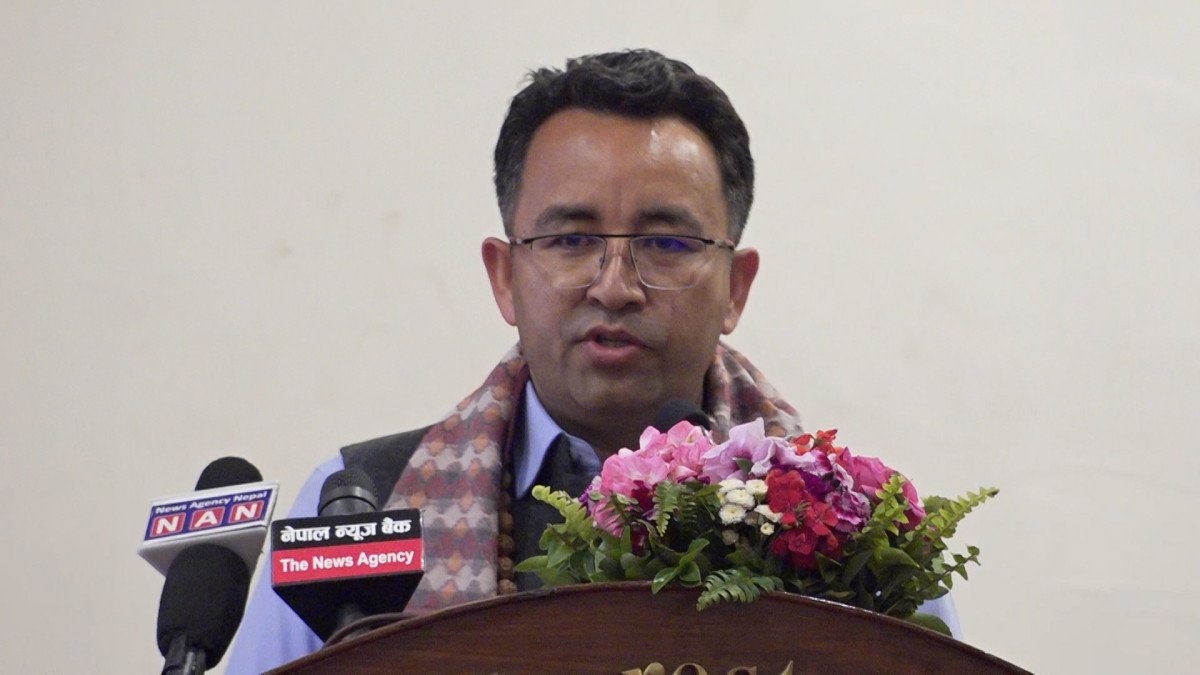
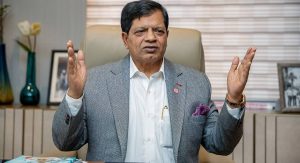
Rastriya Swatantra Party (RSP) lawmaker Ganesh Parajuli has stressed the importance of close coordination between the government and the private sector to tackle the economic and trade challenges that may emerge after Nepal graduates from the Least Developed Country (LDC) category in 2026.
Speaking at an interaction program focused on the future of Nepal’s ready-made garment exports after LDC graduation, Parajuli said the country must prioritize bilateral negotiations and Free Trade Agreements (FTAs) to protect and expand its export market once existing international trade privileges are phased out.
He said parliamentary committees, once fully formed, would place private-sector concerns high on their agenda. According to him, Nepal’s export competitiveness can improve significantly if the government, industries, and trade bodies work under a single coordinated branding and marketing strategy instead of fragmented efforts.
Parajuli also encouraged leading business organizations such as the Federation of Nepalese Chambers of Commerce and Industry and the Confederation of Nepalese Industries to jointly organize large-scale international exhibitions to promote Nepali products and attract foreign buyers. He pointed to India’s seasonal trade expos as an example Nepal could adapt to strengthen exports after LDC graduation.
Highlighting recent policy reforms, he said the government’s decision to provide a 50 percent discount on infrastructure tax and customs duties for petroleum imports could ease public pressure, while the new system of issuing driving licenses within 24 hours reflects a positive shift toward better governance and service delivery.
He further urged the private sector to study the recently tabled Nepal Tourism Bill and provide practical suggestions for amendments so that the legislation can better support economic growth and tourism expansion.
Nepal is scheduled to officially graduate from LDC status in 2026, a transition that is expected to reduce some trade concessions and development support facilities currently available to the country. Experts say stronger policy readiness, export diversification, and closer government-business coordination will be crucial to ensure a smooth transition.
Share this content:






Post Comment