Scientists Identify “Superagers” Who Maintain Sharp Cognitive Abilities in Later Life
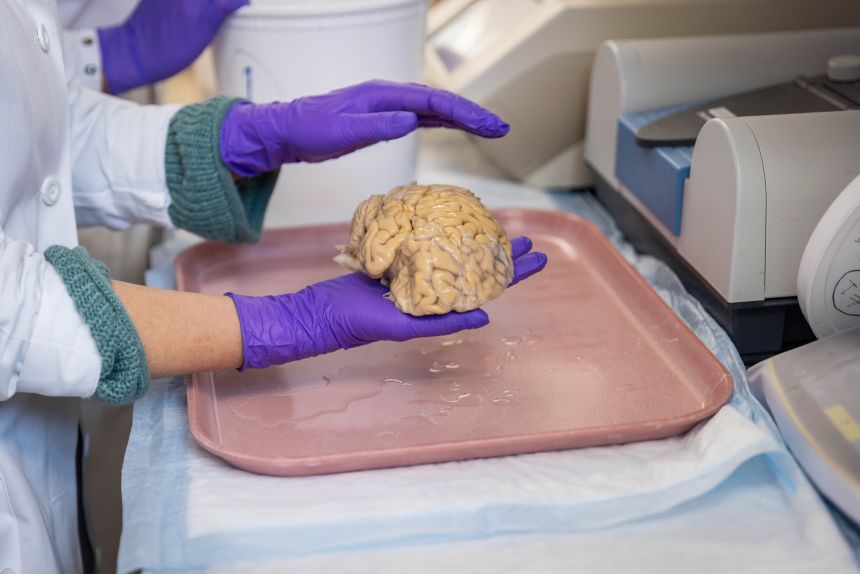
SuperagersBrainHealthStudy, AgingMemoryResearchFindings, CognitiveLongevityScience
Researchers have identified a group of older adults who maintain exceptionally strong memory and thinking abilities well into later life. These individuals are referred to as “Superagers,” a term used in scientific research to describe people whose cognitive performance remains comparable to much younger adults.
The SuperagersBrainHealthStudy highlights how certain individuals in their 70s and beyond continue to demonstrate outstanding memory retention, attention, and problem-solving skills. Scientists involved in AgingMemoryResearchFindings say these results provide valuable insight into how the brain can remain resilient despite the natural aging process.
According to researchers, Superagers often perform significantly better on memory tests than their age-matched peers. Brain imaging analyses in related CognitiveLongevityScience projects have shown that some Superagers may have thicker regions in areas of the brain linked to memory and focus. These structural differences may help explain their sustained cognitive sharpness.
Experts emphasize that aging affects individuals differently. While gradual changes in memory are common with age, the study of Superagers suggests that cognitive decline is not inevitable for everyone. Instead, lifestyle factors, genetics, social engagement, and mental stimulation may all contribute to maintaining brain health.
Researchers are now examining what distinguishes Superagers from others. Early findings suggest that regular social interaction, physical activity, continuous learning, and a sense of purpose may support long-term cognitive function. However, scientists note that ongoing research is needed to fully understand the underlying biological mechanisms.
The SuperagersBrainHealthStudy also offers encouraging implications for public health. By identifying protective factors associated with strong cognitive aging, experts hope to develop strategies that promote healthier brain function across populations. The AgingMemoryResearchFindings could help guide recommendations for mental fitness and preventive care.
Medical professionals advise that maintaining overall well-being plays an important role in cognitive health. Balanced nutrition, regular exercise, adequate sleep, and intellectual engagement are commonly recommended habits that may support long-term brain performance.
The field of CognitiveLongevityScience continues to grow as researchers explore how lifestyle, environment, and genetics interact over time. The discovery of Superagers provides a positive perspective on aging, showing that sharp mental abilities can be preserved far beyond what was once widely assumed.
As studies continue, scientists aim to translate these insights into practical guidance that benefits broader communities. The identification of Superagers offers renewed optimism about the potential for sustained cognitive vitality throughout life.
Share this content:










Post Comment