Spain Announces Ban on Social Media Use for Children Under 16
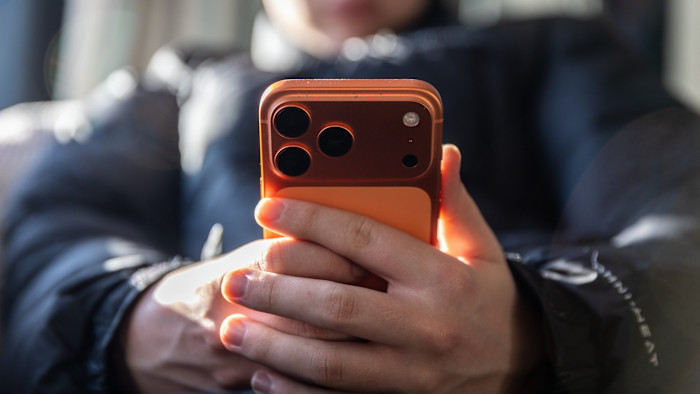
Spain has officially announced a nationwide ban on social media use for children under the age of 16, marking a major step in Europe’s growing push to protect young users online. The decision comes amid rising concerns about mental health, online addiction, cyberbullying, and exposure to harmful content among teenagers and children. With this move, Spain joins countries like Australia and France that are tightening rules around children’s digital safety.
The Spanish government has made it clear that this is not just a symbolic announcement. Social media platforms will be legally required to introduce strict age-verification systems to ensure users are actually old enough to access their services. This means platforms can no longer rely only on users entering a fake birth date. Instead, more reliable methods will be needed to confirm age, putting greater responsibility on tech companies.
In recent years, parents and educators across Spain have raised alarms about the impact of social media on children. Many young users spend hours scrolling through apps, often late at night, affecting sleep, concentration, and emotional well-being. Studies have linked excessive social media use with anxiety, low self-esteem, and depression, especially among teenagers. The new ban aims to reduce these risks at an early age.
From a broader perspective, Spain’s decision reflects a global shift in how governments view big tech and online platforms. For a long time, social media companies operated with minimal regulation, especially when it came to young users. Now, countries are demanding stronger child protection laws, data privacy safeguards, and ethical platform design. This move could influence similar policies in other parts of Europe and even South Asia in the future.
Critics, however, argue that enforcing the ban will not be easy. Tech-savvy teenagers may try to bypass age checks, and parents will still play a crucial role in monitoring online behavior at home. Even so, supporters believe the law sends a strong message: children’s mental health is more important than platform profits.
For countries like Nepal and others in South Asia, Spain’s policy offers an important lesson. As internet access grows rapidly in the region, children are joining social media at younger ages, often without guidance. Discussions around digital safety, parental control, and responsible social media use are becoming more relevant than ever.
In conclusion, Spain’s ban on social media use for children under 16 is a bold and timely decision. While challenges remain in implementation, the focus on child safety and mental health sets a powerful example for the rest of the world. As technology continues to shape young lives, balanced and responsible regulation may be the key to a healthier digital future.
If you found this article useful, share it with parents, teachers, or students who care about online safetyvand stay updated for more news and explainers on global digital trends.
Share this content:









Post Comment