Supreme Court Schedules Hearing on Rabi Lamichhane Passport Case
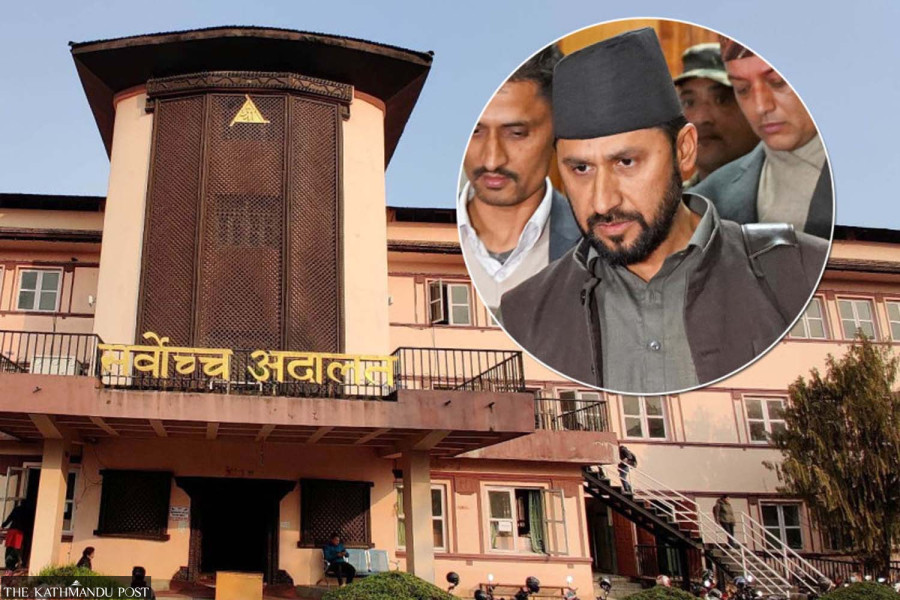
The Supreme Court in Kathmandu has scheduled a hearing on the Rabi Lamichhane passport case related to alleged passport misuse. The case involves the chairman of the Rastriya Swatantra Party and has drawn public attention due to its legal and political significance. The hearing marks an important step in the ongoing judicial process.
The Supreme Court has scheduled a hearing on the Rabi Lamichhane passport case, which concerns allegations of passport misuse involving the chairman of the Rastriya Swatantra Party. The hearing date was fixed by the court in Kathmandu, bringing renewed focus to a case that has remained under legal discussion for months.
Rabi Lamichhane is a prominent political figure and leads one of Nepal’s newer political parties. Because of his public role, the case has attracted wide attention from citizens who are closely following developments related to legal accountability and public leadership.
The case is linked to questions surrounding passport use and related legal procedures. Such matters fall under sensitive legal areas in Nepal, where citizenship and passport regulations are strictly governed by law. Any dispute in this area is usually examined carefully by the courts.
The Supreme Court hearing is expected to focus on legal arguments presented by both sides. Lawyers will place their positions before the bench, and the court may review documents and past decisions connected to the issue. A final verdict is not always delivered immediately, and further hearings may be scheduled if needed.
As chairman of the Rastriya Swatantra Party, Lamichhane’s legal matters are often viewed beyond the courtroom. Supporters and critics alike see the case as a test of how legal processes apply to political leaders in Nepal.
Legal experts note that Supreme Court hearings play a key role in clarifying complex legal disputes. The outcome of this case could also shape future discussions on passport misuse allegations and legal responsibility for public office holders.
For now, the court’s decision to schedule a hearing signals progress in the judicial process. The focus remains on due process and legal review rather than speculation or public debate.
The next steps will depend on the court proceedings and any directions issued by the judges after the hearing. Until then, the case remains under judicial consideration, with wider implications for law and public trust.
Share this content:








Post Comment