Electronic Voting Possible at Low Cost If Political Parties Agree: Communications Minister Kharel
Overview
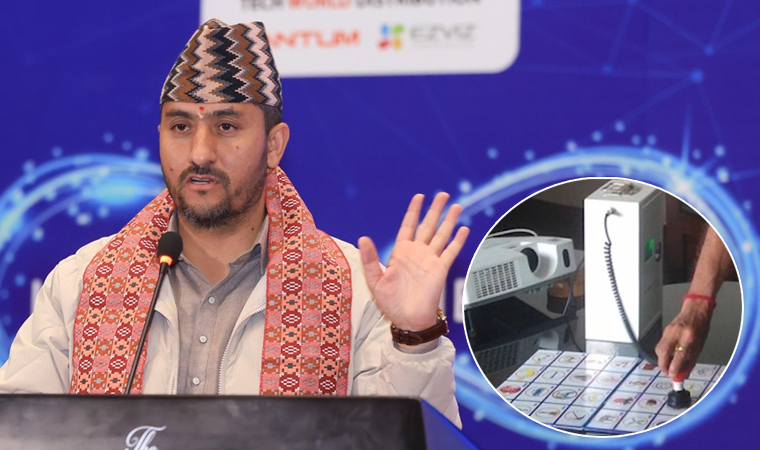
Communications Minister Kharel has stated that electronic voting can be implemented in Nepal at a relatively low cost if political parties reach a consensus. His remarks have reignited discussions on modernizing the country’s election system through technology.
Political Consensus Is Key
According to the minister, the main barrier to electronic voting is not technology or cost, but political agreement. He emphasized that once parties are aligned, the government can move forward with necessary legal and technical preparations.
Key points highlighted include:
- Electronic voting is financially feasible
- Existing digital infrastructure can be utilized
- Political will is more important than budget
Benefits of Electronic Voting
Electronic voting is seen as a potential solution to several challenges in traditional elections, such as:
- Faster vote counting and result publication
- Reduced human errors
- Lower long-term election costs
- Increased voter convenience and participation
Experts believe it could also enhance transparency if implemented securely.
Concerns and Safeguards
Despite its advantages, concerns remain regarding cybersecurity, system reliability, and public trust. The minister acknowledged these issues and stressed the importance of strong security measures, pilot testing, and public awareness campaigns.
The Way Forward
The government may consider pilot projects and consultations with stakeholders to build confidence in electronic voting. If political consensus is achieved, Nepal could take a major step toward digital democracy.
Share this content:









Post Comment