Historic Everest Route Nears Reopening — 80% of Work Completed on Safer Nuptse Path
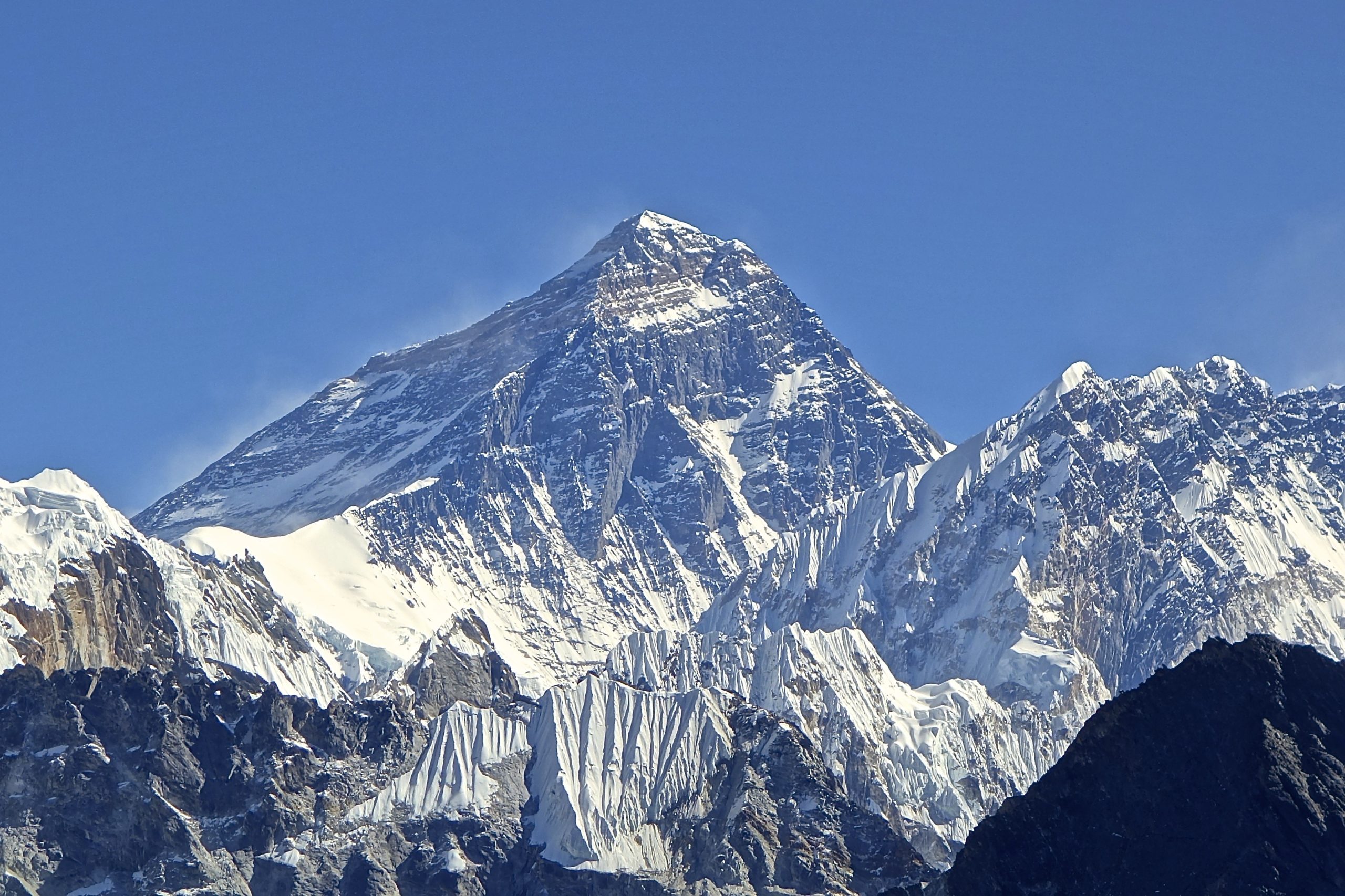
Solukhumbu, Nov 12 — A safer and historically significant route to climb Mount Everest is set to reopen by March 2026, according to the Department of Tourism. Nearly 80 percent of construction on the trail — the same path taken by Sir Edmund Hillary and Tenzing Norgay Sherpa during their first successful ascent in 1953 — has been completed.
Department Director Himal Gautam confirmed that the new route, developed via the Nuptse side, is designed to provide a safer alternative to the hazardous Khumbu Icefall, one of the most dangerous sections of the current Everest climbing route. The alternative path, around 200 meters long, will be ready for use in the spring climbing season.
“The new route will significantly reduce risks and congestion at the existing base camp,” said Gautam. “It’s being developed with full environmental and technical compliance.”
Reviving a Historic Route
The original Nuptse route had been abandoned since 1984 when climbers began using the Khumbu Icefall route. However, due to frequent avalanches and ice collapses causing numerous fatalities — estimated to account for a quarter of all Everest deaths — experts have long advocated for a safer alternative.
The Department of Tourism has tasked renowned Nepali climber Kaji Sherpa, along with French mountaineers Marc Batard and Antoine Erol, to rediscover and reconstruct the historic path. The new base camp is being developed at the foot of Nuptse, where 80% of infrastructure work, including the installation of safety ropes and ladders, is already completed.
Global and Local Collaboration
The initiative — officially approved by the Council of Ministers on January 5 — is a collaborative effort supported by French mountaineering associations, the Tourism Ministry, and contributions from various individuals, including Greek Honorary Consul Bikram Pandekaji and former Tourism Director General Dr. Narayan Prasad Regmi.
French climber Antoine Erol said, “This project isn’t just about reopening a trail — it’s about restoring Nepal’s long-standing connection with the global climbing community.” So far, 220 of the planned 270 fixed steps have been installed, with the remainder expected to be completed by March-April 2026.
Project Cost and Funding
The project’s total estimated cost is USD 400,000, with USD 300,000 already spent, primarily funded by French donors and private mountaineering organizations. Funds are being used for safety equipment, fixed-line installation, and technical maintenance.
A Safer Future for Climbers
Veteran climber Ang Tshering Sherpa described the new Nuptse route as “a game-changer” for Everest expeditions. “By bypassing the deadly Khumbu Icefall, this route will make Everest ascents far safer and more sustainable,” he said.
Every year, over 800 climbers — including around 500 foreigners — attempt Everest. Many turn back due to the risks posed by the Icefall. The new route is expected to reduce fatalities, attract more climbers, and boost local employment in guiding, portering, and hospitality sectors.
Symbol of Heritage and Hope
“This is not just a climbing route,” said Kaji Sherpa. “It’s the rebirth of Nepal’s history, pride, and identity — a bridge between past and future, built with collaboration between local communities and international climbers.”
Dawa Sherpa, a tourism entrepreneur from the Everest region, echoed the sentiment: “The new route will once again make Everest the heart of global mountaineering, while creating new opportunities for Nepali workers and businesses.”
Former Sagarmatha National Park official Bhumi Raj Upadhyay summarized the project’s essence: “This is more than a climb — it’s a reconnection with history and an inspiration for the next generation.”
Share this content:









Post Comment