Origin of Deusi-Bhailo: Who Started It, Why, When, and Where
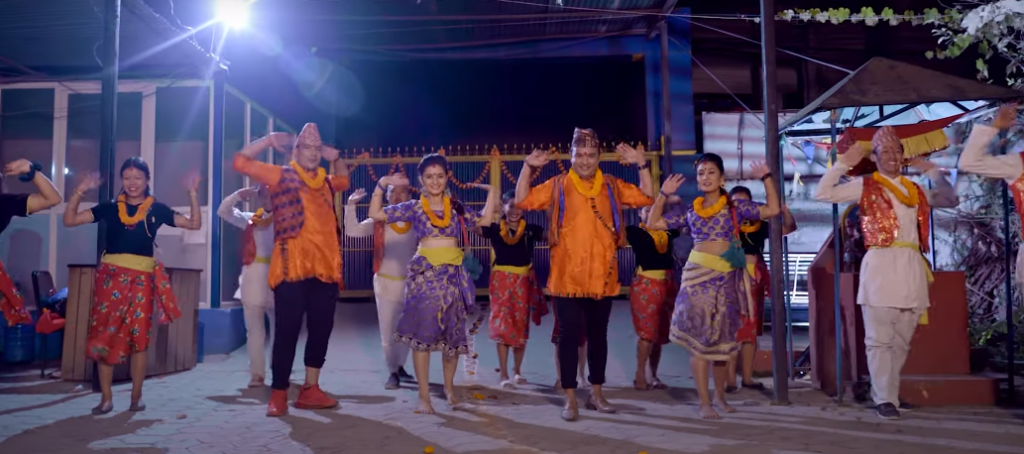
Deusi-Bhailo is one of the most beloved traditions of Nepal, celebrated during the Tihar festival also known as the festival of lights. This joyful custom combines singing, dancing, and blessings, and has deep historical, religious, and cultural roots.
Who Started Deusi-Bhailo?
There are two major legends about its origin:
King Mahabali and Lord Vishnu (Deusi):
The Deusi tradition is believed to have started from the legend of King Mahabali, a generous ruler whose story is told in Hindu scriptures. When Lord Vishnu appeared as Vamana (a dwarf Brahmin) and asked Mahabali for three paces of land, Mahabali granted his wish. To honor his generosity, people began singing “Deu Si,” meaning “he gave.” Hence, Deusi songs celebrate giving and generosity.
Baliraja and the Bhailo tradition:
The Bhailo custom is linked to Goddess Lakshmi and the Baliraja legend. According to folklore, the goddess was pleased with the people’s devotion and blessed them for singing and dancing in her name. The word Bhailo comes from “Bhalo Bhailo,” meaning “it’s good” or “good has happened.”
When Did Deusi-Bhailo Start?
The tradition dates back to ancient times, possibly over a thousand years ago, tied to Hindu mythology and the reign of King Mahabali. Though there’s no exact historical record, it has been celebrated in Nepal for centuries as part of Tihar festivities.
Where Did It Start?
Deusi-Bhailo is believed to have originated in the hilly regions of Nepal, especially among Hindu communities. Over time, it spread across the country from Kathmandu Valley to remote mountain villages and even into India’s Himalayan regions like Sikkim and Darjeeling where Nepali-speaking communities live.
Why Is It Celebrated?
Deusi-Bhailo is celebrated to:
- Express joy and gratitude during the festival of Tihar.
- Honor Goddess Lakshmi, the goddess of wealth and prosperity.
- Spread blessings, happiness, and unity within the community.
- Promote the spirit of giving, as households offer money, sweets, and food to visiting groups.
Cultural Significance
Beyond its mythological origins, Deusi-Bhailo carries a strong message of community bonding, harmony, and cultural preservation. It’s a time when people, young and old, come together singing “Deusi re!” or “Bhailo!” lighting homes, and spreading festive cheer.
Share this content:









Post Comment