Apex Court Registers Contempt of Court Case Against PM Sushila Karki
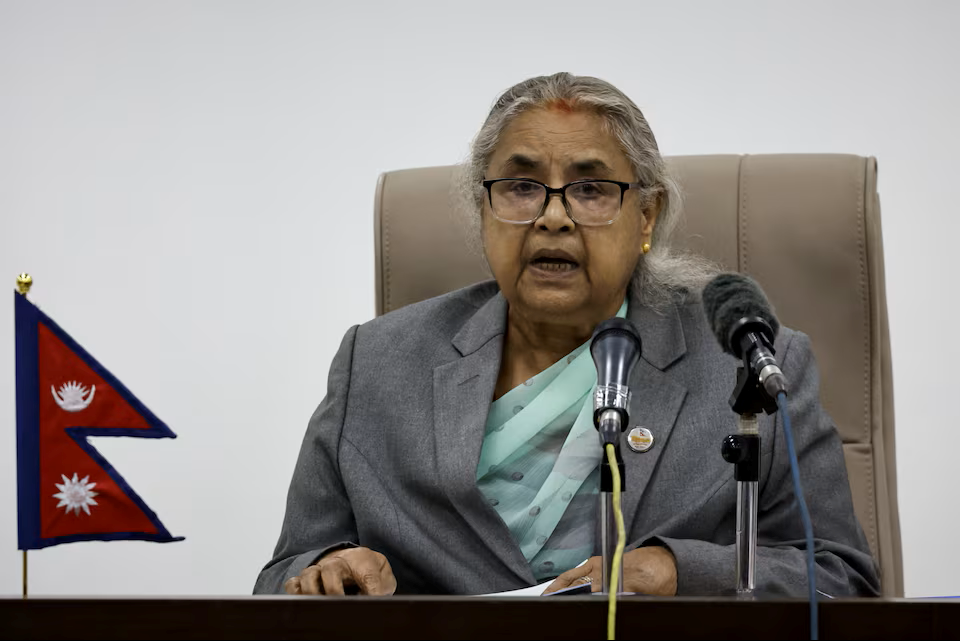
Latest Political Update From Nepal
Nepal’s political landscape has taken a dramatic turn as the Apex Court has officially registered a contempt of court case against Prime Minister Sushila Karki. This development has sparked national attention, raising questions about judicial authority, executive responsibility, and the current political environment of Nepal.
In this blog, we break down what happened, why it matters, and what it could mean for the country.
What Is the Case About?
According to preliminary reports, the Supreme Court has accepted a contempt petition claiming that Prime Minister Sushila Karki made remarks or took actions that allegedly undermined the authority or dignity of the judiciary.
Although full details are yet to be publicly disclosed, contempt of court cases typically arise when:
A public figure criticizes the court in a way that affects ongoing cases
- Someone defies a court order or directive
- Statements are made that could influence judicial independence
In Nepal’s legal system, contempt of court is taken seriously because it protects the integrity of the judiciary.
Why This Matters
The registration of a contempt case against a sitting Prime Minister is a rare and high-impact event. It signals:
1. Rising Tensions Between the Government and Judiciary
The move indicates a growing friction between Nepal’s executive branch and the Apex Court.
2. Potential Legal and Political Consequences for the PM
If the case progresses, the PM may be required to submit a formal explanation or even appear before the court.
3. Increased Public and Media Scrutiny
With the story trending nationwide, public interest in the case continues to grow.
Background: Sushila Karki’s Role in Politics
Sushila Karki previously served as Chief Justice of Nepal, becoming the first woman to hold that position. Her later rise to the role of Prime Minister brought significant public attention, making her one of the most influential figures in Nepal’s governance.
Because of her background in the judiciary, any legal question involving her becomes especially sensitive and symbolic.
Possible Outcomes of the Contempt Case
While it is too early to predict final outcomes, the case could lead to:
- A written clarification from the Prime Minister
- Court hearings if the bench decides the matter requires further review
- Dismissal of the case if evidence is deemed insufficient
- Political instability if tensions escalate
This incident may shape political discourse in the coming weeks.
How This Impacts Nepal’s Governance
The case highlights the importance of checks and balances within Nepal’s democratic system. Whether the PM is found liable or not, the situation underscores the judiciary’s willingness to assert its constitutional role.
Citizens and political observers are watching closely as the story unfolds.
Conclusion
The Supreme Court’s decision to register a contempt case against Prime Minister Sushila Karki marks a significant moment in Nepal’s political and judicial history. With more updates expected soon, this issue is likely to remain at the center of national debate.
Stay tuned for further developments as we continue tracking this important story.
Share this content:









Post Comment